Group Vacation Budget Planning
Handle group travel costs with clearer rules, fair splits, and a shared system for tracking who pays for what. That usually reduces confusion before the trip...

Louis Bloom
Author
The Financial Ambiguity Problem
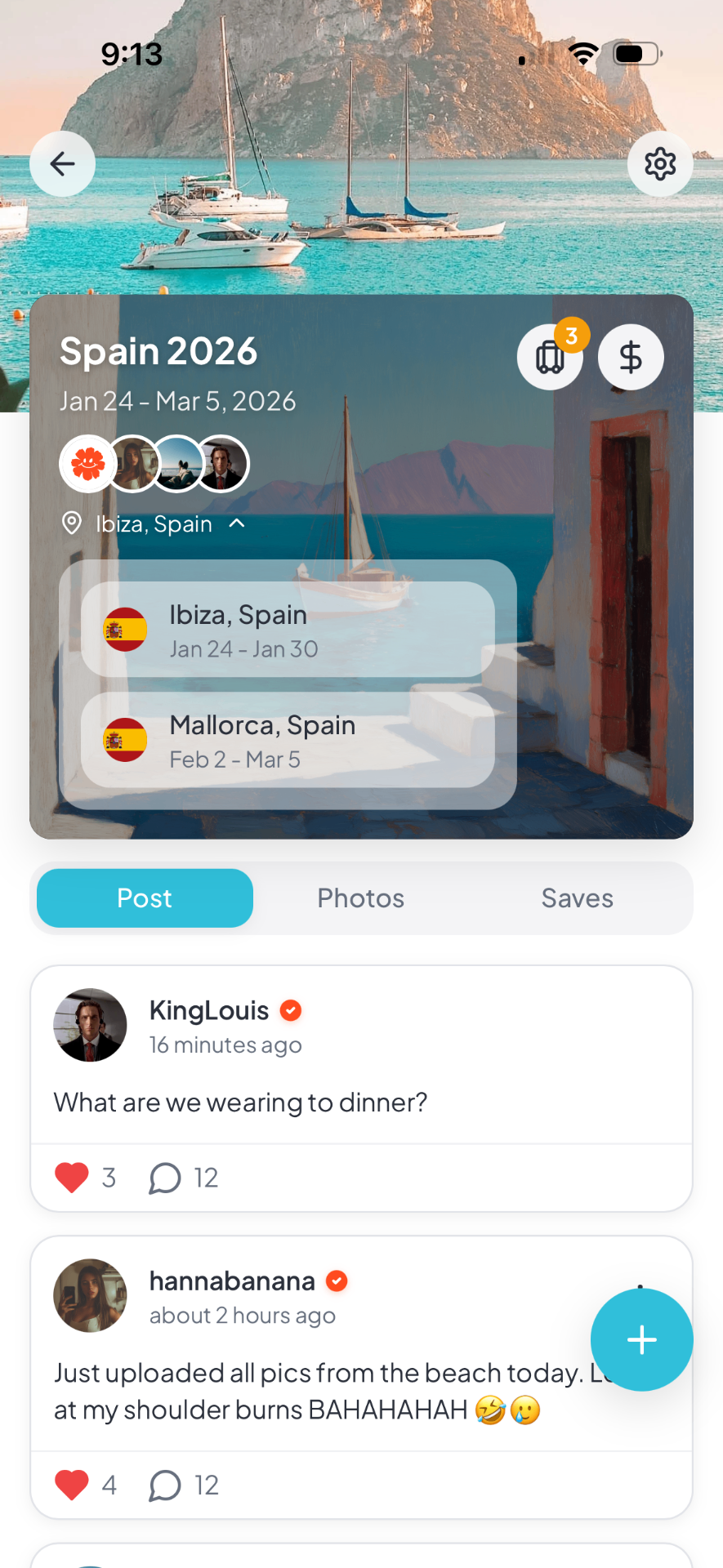
Group trips fail financially when expectations are unclear. One person assumes everything is split evenly. Another thought they were only paying for their share of the rental car. Someone else spent more on restaurants than anyone else and now feels awkward. Financial ambiguity creates tension that can ruin friendships. ### The Uneven Cost Reality Not everyone spends the same amount on a group trip. Some people book expensive flights. Others get deals. One person orders cocktails at dinner while another drinks water. These differences are normal but become problems when nobody discusses them upfront. ### The Expectation Gap People bring different assumptions about money. Some assume all expenses are shared. Others expect to pay only for what they personally consume. These mismatched expectations cause conflict when the bill arrives. The solution is explicit conversation before spending starts. ### The Tracking Failure Even with good intentions, groups lose track of who paid for what. Small expenses add up. Someone covers a taxi here, a coffee there. Without a system, these contributions get forgotten and resentment builds. That part gets easier when the trip details stay connected to something like [group trip planning](/features/group-trip-planning).
Establish the Total Budget Range
Before anyone books anything, agree on what the trip will cost. ### The Individual Budget Check Ask each person privately what they can afford. Do this before proposing specific destinations or accommodations. Knowing everyone's constraints prevents suggesting options that exclude people. Be honest about your own limits too. ### The Shared Cost Categories Identify which expenses will be split among the group. Accommodation and shared transport are typically shared. Meals can go either way. Activities depend on participation. Write down the categories and get agreement from everyone. ### The Buffer Calculation Add twenty percent to your estimated costs for unexpected expenses. Groups always spend more than planned. Having a buffer prevents stress when the final bills arrive. If you do not spend it, everyone gets money back. Packed becomes more useful once the trip has enough moving parts that a chat thread is no longer enough. A tool like [Group Trip Budget Planning Guide](/blog/group-trip-budget-planning-guide) helps when the plan starts getting harder to track across the group.
Assign Budget Responsibilities
Financial chaos happens when nobody owns the money workflow. ### The Budget Captain Designate one person to track the group budget. They monitor spending against the plan, flag when costs are drifting high, and ensure everyone pays their share. This person should be comfortable with numbers and trusted by the group. ### The Payment Coordinator Someone needs to handle transactions. They book shared accommodations, pay for group activities, and collect money from others. Separating tracking from payment prevents any single person from having too much financial power. ### The Expense Logger Every shared expense gets logged immediately. Who paid, how much, what for. Waiting until the end guarantees errors. Using a [group trip planning](/features/group-trip-planning) tool with built-in expense tracking keeps everything visible and current.
Create Shared Spending Rules
Clear rules prevent the most common financial disputes. ### The Accommodation Split Decide how to split lodging costs. Even splits work for similar rooms. Uneven splits make sense when room quality differs. Some groups split by couple versus single occupancy. Whatever you choose, agree before booking. ### The Food and Drink Policy Meals create the most friction. Options include: split everything evenly, pay for your own orders, or split food evenly but drinks separately. Alcohol especially causes disputes. Decide your policy before the first dinner. ### The Activity Opt-Out Rule People should be able to skip activities they cannot afford. If someone opts out, they do not pay for it. This requires tracking who participated in what, but prevents resentment from subsidizing experiences others skipped. That usually matters most when several people are involved and the group needs one current version of the plan. It also helps to keep a related guide like [expense splitting](/features/expense-splitting) handy while decisions are still moving.
Handle Uneven Costs Fairly
Some expenses naturally fall unevenly. Structure prevents these from becoming problems. ### The Flight Cost Difference Flights often vary significantly in price. The group should not subsidize someone's expensive last-minute booking. Each person handles their own transport to the destination. This eliminates flight cost disputes entirely. ### The Room Quality Upgrade When accommodation options vary in quality and price, let people choose their level. Someone wants the suite with the view? They pay extra. Someone is fine with the basic room? They pay less. Choice respects different budgets. ### The Special Request Adjustment If someone has specific needs that increase costs, they cover the difference. Dietary restrictions requiring special restaurants, accessibility needs, or pet accommodations are valid but should not burden the whole group.
Build the Budget Spreadsheet
A shared document keeps everyone aligned on finances. ### The Category Breakdown List every major expense category: transport, accommodation, food, activities, and miscellaneous. Estimate costs for each. This creates a realistic total and helps identify where money will go. ### The Individual Contribution Tracker Track what each person has paid toward shared expenses. This running balance shows who owes money and who is owed. Update it in real time as expenses occur. ### The Final Settlement Plan Decide when and how final payments happen. Some groups settle daily. Others settle at the end. Whatever you choose, stick to it. Using [expense splitting features](/features/expense-splitting) automates calculations and reduces errors.
Communicate About Money Openly
The biggest budget failures come from avoiding financial conversations. ### The Pre-Trip Budget Meeting Before anyone books anything, have a group discussion about money. Share individual budgets, agree on spending rules, and assign financial roles. This uncomfortable conversation prevents much worse conflicts later. ### The Mid-Trip Check-In Halfway through the trip, review spending against the budget. Are you on track? Has anything cost more than expected? Early awareness allows adjustments before problems become serious. ### The Post-Trip Settlement Settle all debts within a week of returning. Delayed payments create resentment and forgotten debts. Send payment requests promptly and pay promptly when requested. Clean financial closure preserves friendships.
Plan your next trip with Packed
Group itineraries, expense splitting, and 700K+ places to discover in one app.