Saving Money on Group Trips
Practical steps to saving money on group trips without turning the trip into a planning mess. That usually reduces confusion before the trip starts.

Louis Bloom
Author
The Coordination Complexity Problem
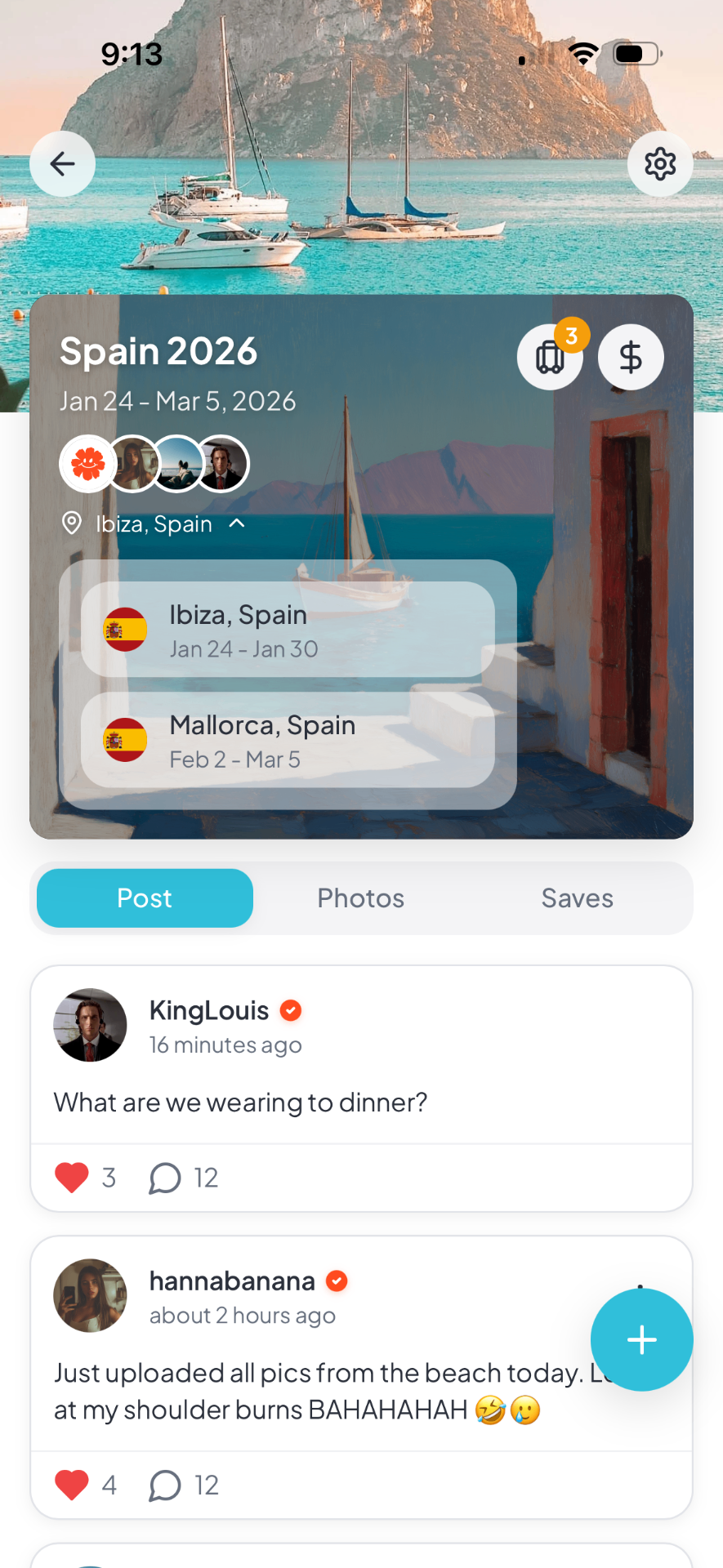
Saving money on group trips is not just about finding deals. It is about coordinating multiple people with different budgets, spending habits, and financial expectations. The complexity increases with every additional traveler. Without clear systems, cost-cutting efforts create friction and resentment. ### Why Group Savings Fail Groups fail to save money because they cannot agree on what "saving" means. One person wants the cheapest hostel. Another refuses to share a bathroom. Someone suggests cooking meals to save money while others want to experience local restaurants. These conflicts lead to compromise spending that satisfies no one. ### The Budget Alignment Challenge Different people have different financial situations. A budget that feels reasonable to one person is stressful to another. Groups often avoid discussing money directly, leading to assumptions that prove false. The person who suggests an expensive activity may not realize others are uncomfortable with the cost. ### The Hidden Cost Multiplier Group travel creates hidden costs. Larger groups need larger accommodation, which often costs more per person than smaller options. Splitting transportation becomes complex. Coordinating meals requires compromise. The savings from group discounts often get consumed by coordination overhead. That part gets easier when the trip details stay connected to something like [group trip planning](/features/group-trip-planning).
Establish Clear Budget Boundaries
Savings start with honest conversations about what everyone can afford. ### The Budget Floor Discussion Before planning anything, establish the minimum and maximum each person can spend. This creates boundaries for all decisions. If the group cannot agree on a range, the trip may not be viable. Better to discover this early than after bookings are made. ### The Shared vs Individual Framework Decide what costs are shared versus individual. Accommodation and group transport are usually shared. Meals can go either way. Activities are often individual choices. Clear categories prevent the confusion where one person thought dinner was included in the shared budget. ### The Flexibility Reserve Build flexibility into the budget for unexpected costs. Someone gets sick and needs medicine. A must-see activity was not in the original plan. Weather forces a change in transportation. A reserve prevents these surprises from derailing the trip or creating debt. Packed becomes more useful once the trip has enough moving parts that a chat thread is no longer enough. A tool like [How to Manage Large Group Trips](/blog/how-to-manage-large-group-trips) helps when the plan starts getting harder to track across the group.
Optimize Accommodation Costs
Where you stay shapes the entire budget. Choose strategically. ### The Size Sweet Spot Accommodation costs do not scale linearly with group size. A four-person apartment often costs less per person than two hotel rooms. A six-person house rental can be cheaper still. Find the size where the per-person cost hits its minimum. ### The Location Trade-off Staying farther from city centers saves money but increases transport costs. Calculate the total cost including transit before choosing. Sometimes central accommodation is cheaper overall when transport is factored in. ### The Shared Space Strategy Shared common spaces reduce costs without sacrificing comfort. A living room means people can socialize without going to bars. A kitchen allows some meals to be prepared inexpensively. These spaces pay for themselves in reduced activity costs. It also helps to keep a related guide like [How to Organize Travel with Big Friend Groups](/blog/how-to-organize-travel-with-big-friend-groups) handy while decisions are still moving.
Manage Food and Dining Costs
Food is where group budgets often break down. Handle it deliberately. ### The Meal Strategy Plan which meals will be group events and which are individual. Group dinners at restaurants are fun but expensive. Breakfast and lunch can be simpler and cheaper. Having a mix prevents both overspending and resentment about constant economizing. ### The Grocery Balance Stock the accommodation with basics for breakfasts and snacks. This reduces the need for expensive convenience purchases. Do not try to cook every meal—part of travel is experiencing local food—but having options reduces pressure on the budget. ### The Bill Splitting Protocol Decide how to handle restaurant bills before they arrive. Even splits work for similar spending. Itemized splits work when consumption varies. The key is agreeing on the method before the meal, not debating it when the check arrives. That usually matters most when several people are involved and the group needs one current version of the plan.
Reduce Transportation Costs
Getting there and getting around offer significant savings opportunities. ### The Advance Booking Advantage Transportation costs increase closer to departure. Book flights and trains as early as possible once dates are confirmed. Set a booking deadline so the group does not miss price windows while waiting for everyone to confirm. ### The Local Transport Strategy Research local transport options before arrival. Day passes, multi-day tickets, and group discounts often exist but are not obvious. Walking routes can replace short taxi rides. Using a [group trip planning](/features/group-trip-planning) tool helps coordinate transport logistics and share cost-saving discoveries. ### The Arrival Coordination Coordinate arrival times to share airport transfers. A single taxi for four people costs less than four separate rides. If arrival times cannot align, provide clear instructions for solo travelers to reach the accommodation cheaply.
Handle Activities and Entertainment
Experiences are the reason for travel. Manage their costs wisely. ### The Priority Ranking Have everyone rank activities by importance. The group commits to the top-ranked items that fit the budget. Lower-ranked activities become optional. This ensures money goes to what matters most to the group. ### The Free Activity Balance Mix paid activities with free experiences. Walking tours, parks, markets, and beaches cost nothing but create great memories. A day of free activities balances a day of expensive ones without making anyone feel deprived. ### The Group Discount Strategy Many attractions offer group discounts starting at ten or more people. Research these in advance. Sometimes adding one more person to reach the discount threshold saves money for everyone.
Maintain Financial Transparency
Savings efforts fail when money becomes a source of tension. ### The Real-Time Tracking Track shared expenses as they happen, not at the end. Everyone sees the running total. Surprises are eliminated. Debts stay small and manageable. Transparency prevents the suspicion that someone is taking advantage. ### The Regular Check-In Review the budget status regularly during the trip. Are we on track? Do we need to adjust? Early awareness allows course correction. Discovering a problem on the last day leaves no time to fix it. ### The Settlement Plan Decide when and how debts will be settled. Immediately after each expense? Daily? At the end? The method matters less than the clarity. Everyone knows what to expect. Following a [travel budget optimization](/blog/travel-budget-optimization) approach keeps finances clean and friendships intact.
Plan your next trip with Packed
Group itineraries, expense splitting, and 700K+ places to discover in one app.