How to Organize Group Travel Without Losing Friends
Group trips fall apart when money, decisions, and communication aren't handled well. Here's how to organize group travel that actually strengthens friendships.

Louis Bloom
Author
Why group trips fall apart (it's always money)
Money is the number one reason group trips create tension. Not the amount—the ambiguity. When expenses aren't tracked transparently, resentment builds quietly until it explodes over something trivial. ### The expense tracking problem Here's what actually happens: Sarah books the Airbnb on her card ($1,200). Mike pays for the rental car ($400). Everyone takes turns paying for meals. By day three, nobody knows who owes what, and the person who's been paying more starts keeping mental score while pretending they aren't. By the end of the trip, you're left with a mess of Venmo requests, screenshots of receipts, and at least one person who feels they overpaid. This avoidable drama ruins the post-trip glow and makes people hesitant to travel together again. ### The fix: Real-time expense tracking Use [Packed's expense splitting feature](/features/split-and-track-expenses) from day one. Every expense gets logged immediately—who paid, how much, and how it's split. Everyone can see the running balance at any time. No more mental math, no more end-of-trip awkwardness. The key is starting before the trip. Log the first expense (flights, deposits, Airbnb) the moment it's paid. This sets the expectation that everything gets tracked and removes the social friction of asking people to pay up later.
Making decisions without endless group chats
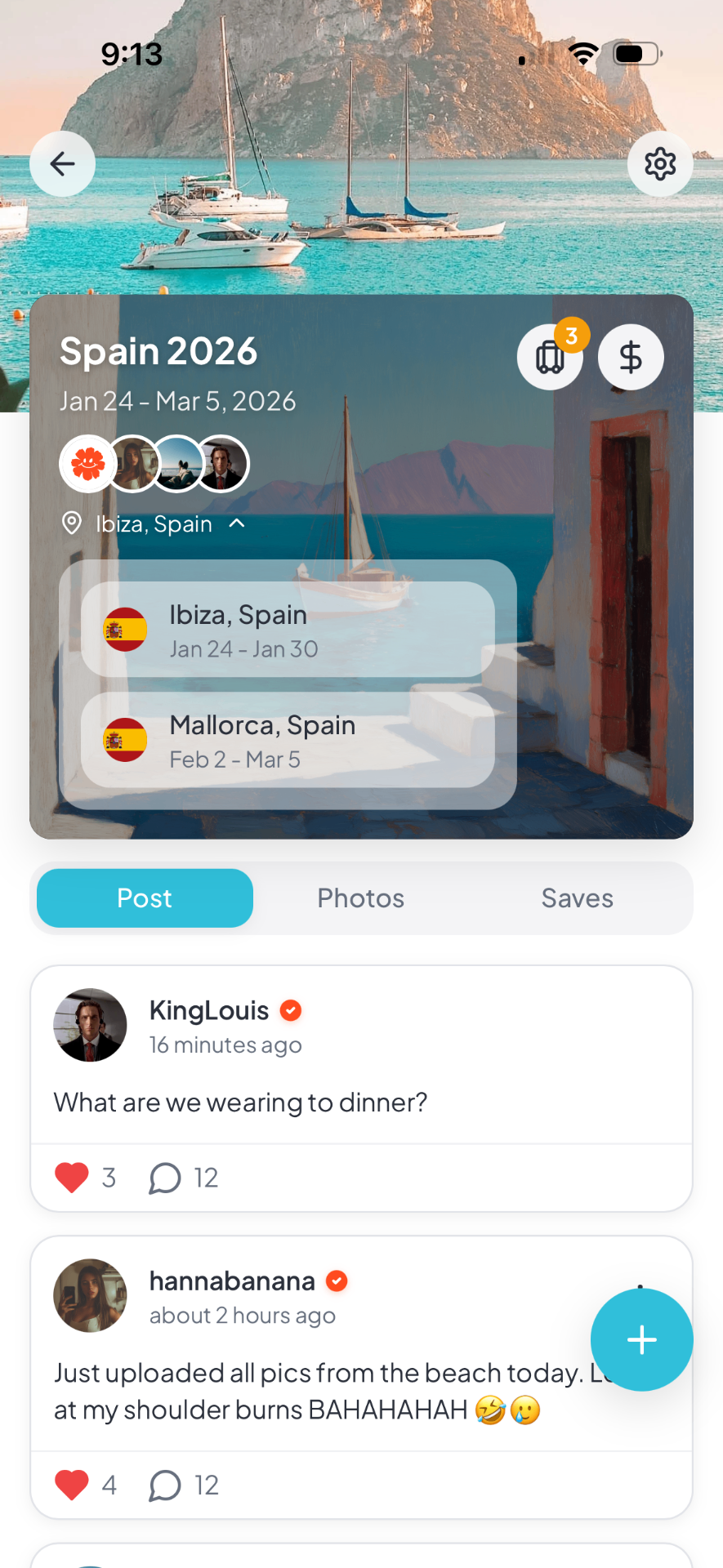
The second trip-killer is decision paralysis. Eight people in a WhatsApp group trying to agree on dinner takes longer than actually eating dinner. Democratic travel planning doesn't mean everyone votes on everything. ### The rotating leader model Assign one person per day as the "trip captain." They choose the restaurant, decide the morning plan, and make calls when the group is indecisive. Everyone gets a turn, and nobody feels bulldozed. This eliminates the "I don't care, you pick" loop that paralyzes groups for hours. This works because it gives permission to decide. Most people don't want to impose their preferences on the group, so they defer. When it's your day to lead, you have social permission to make choices without guilt. ### Set non-negotiables early Before the trip, everyone shares 2-3 must-do activities. These go on the [shared itinerary](/features/trip-itineraries) immediately. Everything else is flexible. This guarantees everyone gets their priorities met without needing to agree on every single activity. The remaining time fills itself naturally. When you're walking past something interesting, you stop. When someone spots a cool market, you explore it. The non-negotiables provide structure; the open time provides adventure.
Communication rules that prevent conflict
Even well-planned group trips hit friction. Handle it well and you strengthen friendships. Handle it poorly and you lose them. The difference is often just communication style. ### Address issues immediately Don't let resentment build over days. If someone's behavior is bothering you—hogging the bathroom, constantly being late, dominating decisions—address it privately and directly that day. The longer you wait, the more the anger festers. Use "I" statements: "I feel stressed when we're running late" not "You're always late." Focus on the impact on you, not character judgment of them. This approach invites problem-solving rather than defensiveness. ### Know when to split up Sometimes the best group decision is to not be a group for a few hours. If half the group wants museums and half wants shopping, split up. Meet for dinner and share stories about your different adventures. Forced togetherness creates resentment. Strategic separation keeps everyone happy. The best group trips have moments of togetherness and moments of independence.
Technology that keeps groups connected
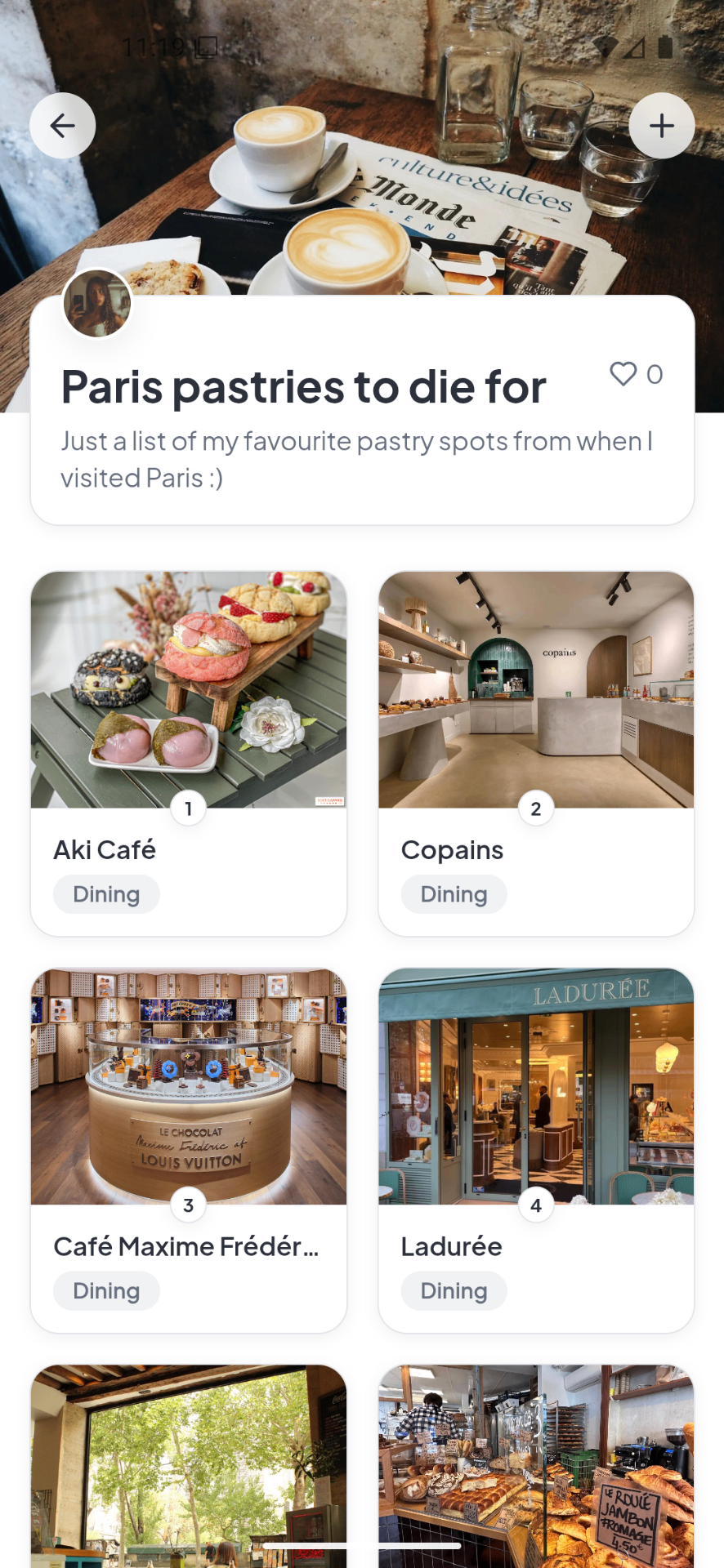
The right apps make group travel coordination effortless instead of exhausting. The wrong tools create chaos and missed connections. ### Why group chats fail for trip planning WhatsApp and iMessage groups become overwhelming fast. Important information gets buried in memes and side conversations. Someone asks a question that's already been answered three times. Someone else misses the message about the changed meeting time and shows up at the wrong place. Group chats work for casual communication but fail for trip coordination. You need a dedicated platform designed for the specific challenges of group travel. ### What Packed offers vs. spreadsheets and group chats [Packed](https://packedtravel.app) was built specifically for group travel. Compared to a Google Sheet or WhatsApp thread, here's what's different: - **Shared itinerary**: Everyone sees the same plan in real-time. Changes sync instantly. - **Expense tracking**: Log costs as they happen. See who owes what without spreadsheets. - **[Place discovery](/features/discover-places)**: Browse 700K+ places and save them directly to your trip. - **Group coordination**: Trip-specific chat keeps travel logistics separate from your regular group chat. The small effort of setting up proper coordination pays off massively in reduced stress and increased enjoyment.
Frequently asked questions
**How do you make decisions in a large travel group?** Use the rotating leader model: one person per day makes the calls. Combine this with pre-trip non-negotiables so everyone's must-dos are guaranteed. This prevents decision paralysis while ensuring fairness. **What if someone drops out of the group trip last minute?** Have a cancellation policy agreed upfront. A common structure: 2+ months out = full refund of shared costs, 1 month out = 50% refund, 2 weeks out = no refund. Get this in writing before anyone pays. **How do I track group expenses without awkwardness?** Use [Packed's expense tracker](/features/split-and-track-expenses) from the first shared purchase. When tracking starts immediately and everyone can see balances in real-time, there's no awkwardness—it's just data. **What's the ideal group size for a trip?** Four to six people is the sweet spot. Large enough for fun group dynamics, small enough to fit in one car and agree on restaurants. Groups over eight should plan to split up regularly.
Plan your next trip with Packed
Group itineraries, expense splitting, and 700K+ places to discover in one app.