How to Organize Travel with Big Friend Groups
Learn how to organize travel with big friend groups. Tips for coordination, decision-making, and keeping everyone happy on group trips.

Louis Bloom
Author
Why Big Groups Are Different
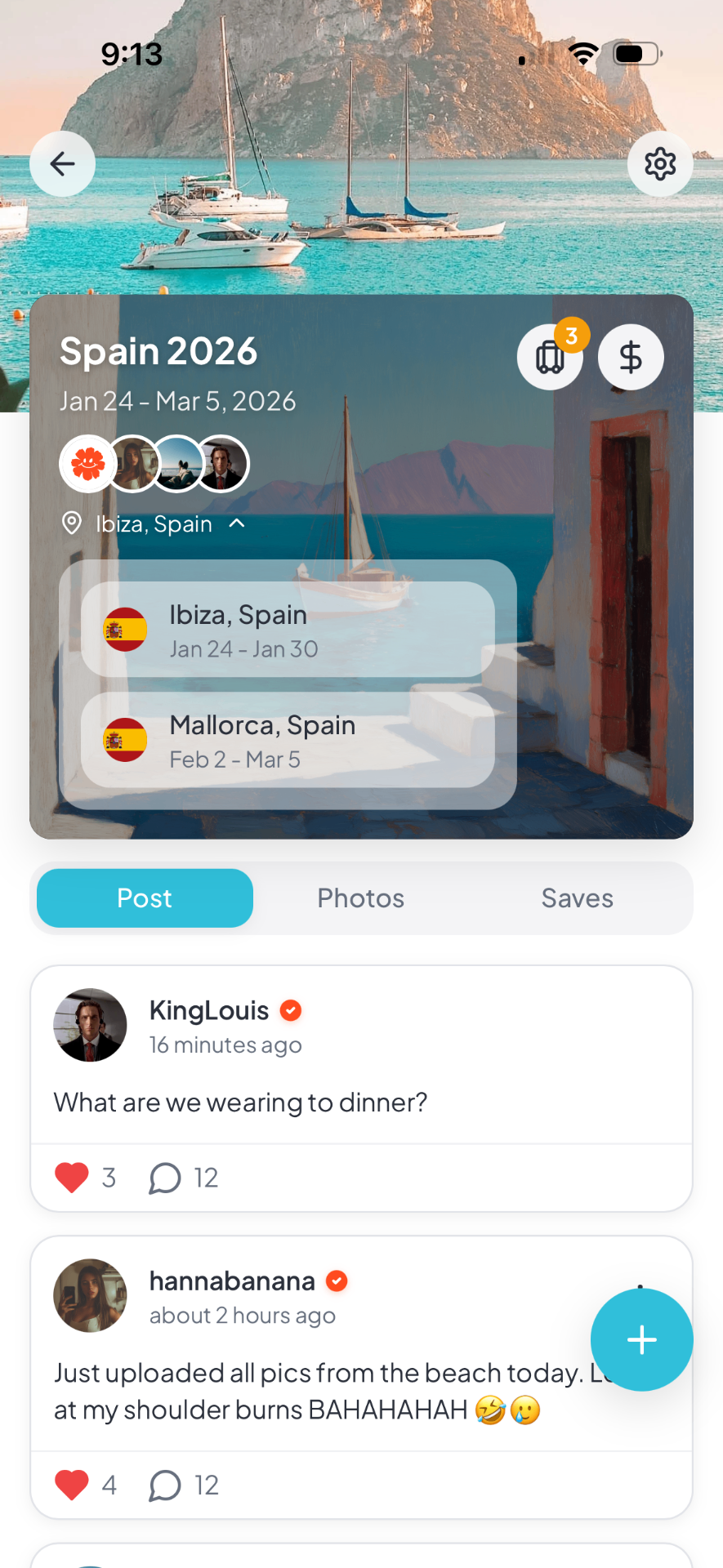
Traveling with eight or more friends is a completely different beast than a small group. The complexity doesn't just double—it grows exponentially with each additional person. ### The Coordination Challenge With four people, you can make decisions quickly. With twelve, you need systems. Someone will be late, someone will have dietary restrictions, someone will want to see completely different things. Accepting this reality early prevents frustration later. ### Communication Breakdown In big groups, information doesn't flow naturally. Important details get lost in group chats, and not everyone sees every message. When you're organizing travel with big friend groups, having a [shared trip space](/features/group-trip-planning) where everyone can see the same itinerary and post updates keeps everyone aligned without the chaos of scattered messages.
Building the Right Foundation
Success starts before anyone books a flight. The groundwork you lay in the planning phase determines whether the trip thrives or collapses. ### The Core Group Designate three to four people as the planning committee. Not everyone wants to be involved in every decision, and trying to include everyone in everything creates gridlock. The core group handles logistics; everyone else provides input on major decisions. ### Setting Expectations Early Have honest conversations about budget, travel style, and energy levels before committing. If half the group wants luxury hotels and half wants hostels, that's a fundamental mismatch that won't resolve itself. Better to know now than discover it in [Dubai](/destinations/dubai) when tensions are high. Packed fits this well because a group trip can act like a private shared page where everyone posts updates, comments, uploads photos, and saves places.
Making Decisions That Stick
Democracy fails with large groups. You need decision-making frameworks that move things forward without endless debate. ### The Voting Threshold For major decisions—destination, dates, accommodation—set a threshold. If seven out of ten people want Paris, you go to Paris. The three who preferred Rome can either join or sit this one out. Requiring unanimous consent means you'll never decide anything. ### Rotating Authority Let different people own different aspects of the trip. One person researches accommodation, another handles activities, a third manages the budget. This distributes the workload and gives everyone some ownership. Using a [group planning tool](/features/group-trip-planning) like Packed lets everyone contribute ideas and vote on options without overwhelming the group chat.
Managing Money Without Drama
Money is the fastest way to ruin friendships. With big groups, financial transparency isn't optional—it's essential. ### The Shared Fund Approach Everyone contributes a set amount to a shared fund at the start of the trip. This covers group meals, transportation, and activities. When the fund runs low, everyone tops it up equally. This eliminates the constant mental math of who paid for what. ### Tracking Expenses in Real Time Someone will inevitably forget their wallet, or pay for a group dinner, or cover a taxi. Without tracking, these debts become awkward and eventually contentious. Using an expense tracking app lets everyone log costs as they happen, so settling up at trip's end is simple and fair. That gives the group one place to coordinate decisions instead of splitting everything across chats, notes, and separate planning apps. For destination-specific planning, keeping notes tied to a page like [Dubai destination guide](/destinations/dubai) makes the day easier to structure.
Accommodation Strategies for Large Groups
Finding places for eight or more people requires creativity. Standard hotel booking sites aren't designed for this challenge. ### Villa and Apartment Rentals Platforms like Airbnb and Vrbo are built for groups. You get common spaces for hanging out, kitchens for group breakfasts, and enough bedrooms for everyone. The per-person cost often beats hotels, and the shared spaces become the heart of the trip. ### Multiple Hotel Rooms If rentals aren't available, booking several rooms in the same hotel works. Request rooms on the same floor or in the same wing. Someone's room becomes the default gathering spot—make sure it's big enough for the whole group to squeeze in. ### Location Trade-offs With big groups, staying slightly outside the city center often makes sense. You get more space for less money, and you're not fighting through tourist crowds every time you leave your accommodation. In [Tokyo](/destinations/tokyo), neighborhoods like Shimokitazawa or Koenji offer great value with easy train access to the center.
Keeping Everyone Fed and Happy
Feeding a large group is logistically challenging. Restaurants that can accommodate ten walk-ins are rare, and group dynamics around food get complicated quickly. ### Restaurant Reservations Book restaurants in advance, especially for dinner. Many places can't handle large groups without notice, and you don't want to spend an hour wandering hungry while searching for somewhere that can squeeze you in. ### Splitting Up for Meals Not every meal needs to be together. Some people want a quick breakfast, others want to linger over coffee. Let people scatter for breakfast and lunch, then reconvene for dinner. This gives introverts breathing room and prevents the group from becoming claustrophobic. ### Dietary Restrictions and Preferences Someone will be vegetarian, someone gluten-free, someone allergic to shellfish. Research restaurants that can accommodate everyone, or split into smaller groups for meals when preferences diverge too much. When coordination starts getting messy, [Tokyo destination guide](/destinations/tokyo) gives the group one clearer place to work from.
Building in Flexibility
Rigid schedules break under the weight of large groups. Someone will be late, someone will change their mind, someone will discover something they want to explore. ### The Anchor Activity Approach Plan one major group activity per day—something that matters to most people. Everything else is optional. This gives structure without rigidity. People can join or opt out based on their energy and interests. ### Sub-Group Explorations Encourage people to split into smaller groups for parts of the day. Four people might want to visit a museum while four others prefer shopping. They reconvene for dinner with stories to share. This prevents the lowest-common-denominator problem where everyone does only what the least adventurous person wants. ### Buffer Time Build extra time into everything. Getting twelve people out the door takes longer than getting four out. That 15-minute walk becomes 30 minutes when you factor in bathroom breaks, forgotten items, and group photos. Planning for this prevents the stress of constantly running late. A related guide such as [Istanbul destination guide](/destinations/istanbul) can also help if you want a more detailed planning workflow.
Handling Conflict Before It Explodes
With big groups, small annoyances can escalate quickly. Proactive conflict management keeps the peace. ### The Check-In System Designate someone as the vibe-checker. Their job is to notice when people are getting irritable or when tensions are rising. A simple "how's everyone feeling?" at lunch can surface issues before they become blow-ups. ### Giving People Permission to Opt Out Make it clear that skipping group activities is always okay. If someone wants to sleep in or explore alone, that's not rejection—it's self-care. Removing the obligation to participate in everything reduces resentment and burnout. ### Addressing Issues Directly When conflicts arise, address them quickly and privately. The person who's upset about dinner choices shouldn't vent to the whole group; they should talk to the trip coordinator. Public complaints create defensive reactions and group tension.
FAQ
Common questions about organizing travel with large friend groups.
Frequently asked questions
**How many people is too many for a group trip?** Groups of 6-8 people tend to work best. Beyond 10, coordination becomes significantly harder. If you have more than 12 people, consider splitting into two separate trips or planning activities where not everyone needs to be together at all times. **How do you split costs fairly in a large group?** Use an expense tracking app to log all shared costs. For group meals, split evenly unless someone orders significantly more or less. For accommodation, split by room type—those in larger rooms or with better views pay slightly more. Settle up every few days rather than waiting until the end. **What if people have very different budgets?** Have honest budget conversations before booking anything. Choose destinations and accommodation that work for the lower end of the budget range. Plan a mix of splurge activities and free activities so everyone can participate at their comfort level. **How do you handle the person who doesn't participate in planning?** Some people genuinely don't want to plan—they just want to show up and have fun. That's fine. Give them clear deadlines for decisions they need to make (like booking flights), and make clear that silence equals consent for other decisions. **Should you plan every minute or leave things open?** Plan one anchor activity per day and leave the rest flexible. Over-planning creates stress when things inevitably change. A framework with room for spontaneity works better than a rigid schedule with a large group.
Plan your next trip with Packed
Group itineraries, expense splitting, and 700K+ places to discover in one app.