How to Organize Travel Days Without the Chaos
Learn how to organize travel days efficiently. Practical tips for structuring itineraries, managing group coordination, and keeping trips enjoyable.

Louis Bloom
Author
Why Most Travel Days Fall Apart
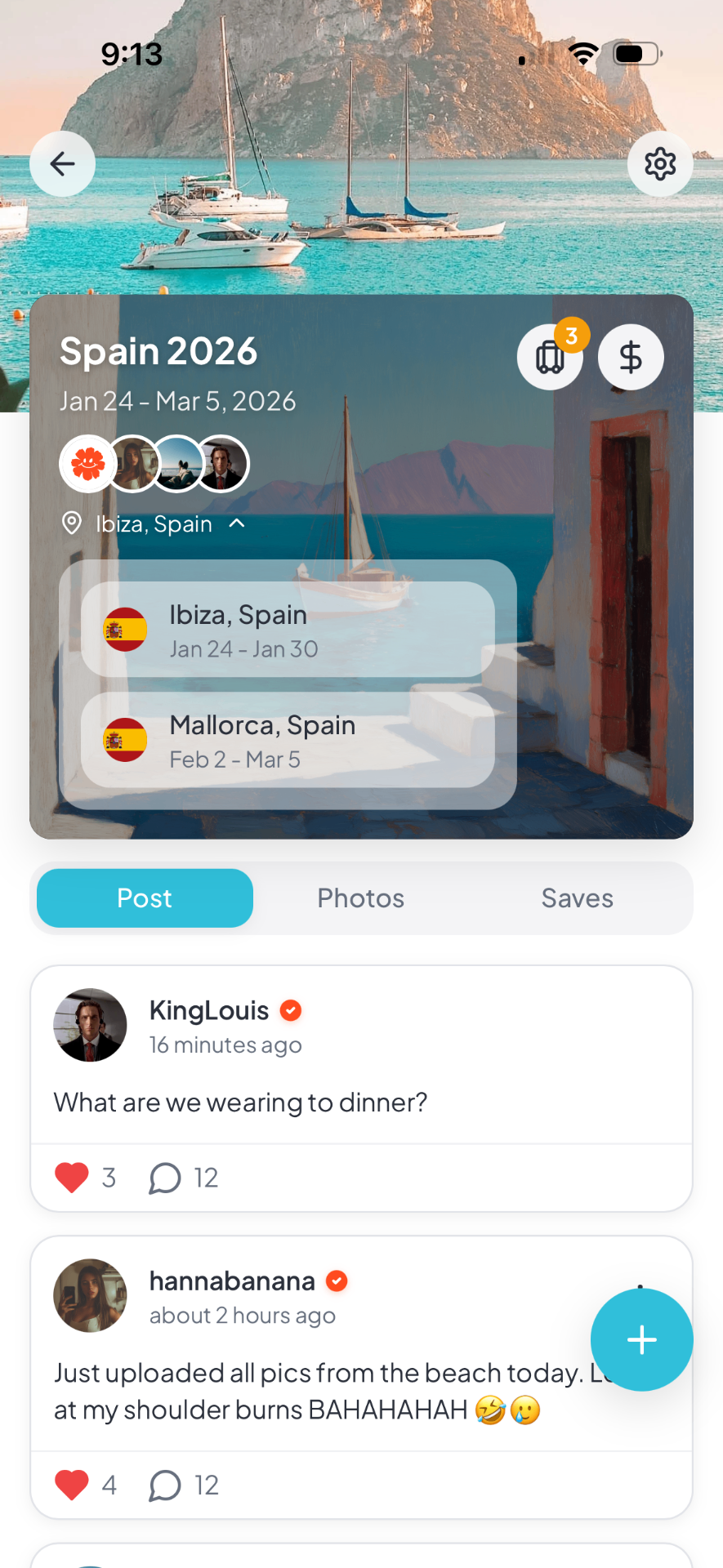
Travel days collapse when there's no clear structure and too many decisions to make on the fly. You wake up, check your phone, and suddenly it's noon and nobody knows what to do. ### The Decision Fatigue Problem Every unplanned moment requires a new decision. Where should we eat? What should we see? How do we get there? When you're traveling with others, these questions multiply. By mid-afternoon, everyone's exhausted from negotiating and compromising. ### The Group Coordination Challenge Solo travelers can pivot instantly. Groups cannot. One person wants coffee, another needs a bathroom, someone else is still getting ready. Without a shared plan, you spend more time coordinating than experiencing. When you're organizing travel days with friends, using a shared itinerary helps everyone stay aligned without constant check-ins.
Building a Flexible Daily Framework
Good travel days need just enough structure to reduce decisions without eliminating spontaneity. Think of it as guardrails, not a script. ### The Morning Block Plan one anchor activity for the morning—something that matters to you. Maybe it's a museum in Paris, a market in London, or a specific neighborhood you want to explore. Having this locked in gives your day purpose and ensures you don't lose the morning to indecision. ### The Afternoon Gap Leave afternoons mostly open. This is when you discover things you didn't plan for: a street performer, a recommended restaurant, a shop that catches your eye. The gap also accommodates delays. If your morning runs long, you haven't lost anything critical. ### The Evening Reunion Plan to reconvene for dinner or an evening activity. This gives everyone a shared endpoint while allowing individual exploration during the day. When coordinating a group trip, having a shared itinerary makes these reunions effortless—everyone knows where and when to meet. Packed works well for this because you can build the itinerary with timestamps and keep everyone on the same version of the plan.
Managing Group Energy Levels
Groups have collective energy that ebbs and flows. Ignoring this leads to half-hearted sightseeing and irritable companions. ### Reading the Room Pay attention to signs of fatigue: slowed walking, reduced conversation, increased phone-checking. These are signals to slow down, not push through. A rest hour at a cafe or park bench often revives the group more than powering through another attraction. ### Splitting Strategically Not everyone needs to do everything together. Some people recharge through quiet time alone; others recharge through activity. Splitting up for a few hours lets people manage their own energy, then return to the group refreshed. ### Building in Recovery Time Schedule lighter activities after intense ones. A walking tour of London's East End should be followed by a sit-down meal, not another walking tour. Recovery time isn't wasted time—it's what makes the active time sustainable.
Handling the Logistics That Drain You
Logistics—transportation, tickets, reservations—consume mental energy that could go toward enjoying your trip. Streamlining these is essential. ### Pre-Booking What Matters Book tickets for must-see attractions in advance. This removes the stress of sold-out venues and gives your day a fixed anchor. In Paris, this might mean advance tickets to the Louvre. In London, it could be a timed entry to the Tower. ### Keeping Documents Accessible Have confirmation emails, tickets, and reservation details in one place where everyone can access them. Screenshot everything in case of connectivity issues. When the whole group can see the plan, nobody's left wondering where they're supposed to be. ### Simplifying Transportation Research transit options before you arrive. Know which metro lines serve your hotel, how to buy tickets, and whether day passes make sense. In Dubai, this means understanding the metro zones. In Paris, it's knowing the difference between the Metro and RER. It also helps groups vote on activities before the day is locked in, which cuts down on confusion and last-minute plan changes.
Making Group Decisions Without the Drama
Democracy sounds good until you're standing on a street corner for twenty minutes debating lunch options. Better systems exist. ### The Designated Decider Rotate decision-making authority. One person chooses breakfast spots, another handles dinner, a third plans the day's activities. This distributes the mental load and prevents any single person from becoming the default planner. ### The Short List Method When the group needs to choose, offer two or three options, not an open question. "Should we go to the British Museum or the Tate Modern?" gets an answer faster than "What museum should we visit?" ### Knowing When to Split Some decisions don't need group consensus. If half the group wants Italian and half wants Thai, split up and meet afterward. Forcing compromise often leaves everyone slightly dissatisfied. When you're using a shared planning tool like Packed, splitting is easy—everyone can see the plan and coordinate meetups without confusion.
Capturing the Day Without Missing It
Documentation is important, but not at the expense of experience. Finding the balance matters. ### The Photo Checkpoints Designate specific moments for photos rather than documenting everything. Take pictures at the start of an activity, then put the phone away. This gives you memories without removing you from the experience. ### The Evening Review Spend ten minutes each evening noting what you did, what you enjoyed, and what you'd recommend. This captures details while they're fresh without interrupting your day. ### Sharing the Load If you're traveling with others, rotate who documents each day. One person's photos and notes become the record for everyone, freeing others to be fully present.
Adjusting When Plans Change
No travel day goes exactly as planned. Rain closes outdoor markets. Restaurants lose reservations. Someone wakes up feeling unwell. Adaptability is a skill. ### The Backup Plan Rule For every major outdoor activity, have an indoor alternative in mind. If the weather turns in London, know which museums are nearby. If a Dubai outdoor tour cancels, have a mall or souk as backup. ### The Mood Check Before leaving your accommodation, do a quick check-in. Is everyone feeling up for the planned activity? Sometimes the best decision is to swap a museum visit for a leisurely breakfast and late start. ### The Solo Option If the group wants to pivot but you don't, it's okay to split up. Solo exploration can be as rewarding as group activities. Just establish a clear meetup time and place, ideally somewhere with seating and WiFi for easy coordination.
FAQ
Common questions about organizing travel days effectively.
Frequently asked questions
**How structured should my travel days be?** Aim for one planned anchor activity per morning and afternoon, with flexible time between them. This gives you direction without rigidity. Leave at least 30% of your day unscheduled for unexpected discoveries and rest. **How do I coordinate with friends who have different travel styles?** Have honest conversations before the trip about preferences and energy levels. Build in both group activities and solo time. Use shared planning tools so everyone can see the itinerary and suggest adjustments without constant messaging. **What if our group can't agree on what to do?** Rotate decision-making authority by day or activity type. Offer specific choices rather than open questions. And remember: splitting up is always an option. Not every moment needs to be together for the trip to feel cohesive. **How do I avoid decision fatigue while traveling?** Make major decisions the night before. Book restaurants and attractions in advance. Keep a short list of backup options for common needs like lunch spots. The fewer decisions you make on the spot, the more energy you have for enjoying the experience. **Should I plan every day in detail before the trip?** No. Plan your must-see activities and book those that require reservations, but leave daily details flexible. Over-planning removes spontaneity and creates stress when things inevitably change. A framework is better than a script.
Plan your next trip with Packed
Group itineraries, expense splitting, and 700K+ places to discover in one app.