How to Coordinate Travel Bookings With Friends
Coordinate travel bookings by deciding who books what, setting deadlines, and keeping confirmations tied to one shared plan.

Louis Bloom
Author
The Booking Coordination Challenge
Coordinating travel bookings with friends creates a specific set of problems. Everyone wants to travel together, but booking individually leads to mismatched flights, different hotels, and confusion about who reserved what. Booking as a group requires clear ownership, timing, and communication to avoid chaos. ### The Ownership Problem Nobody knows who is supposed to book what. Does everyone book their own flight? Does one person book all the accommodation? Who handles the rental car? Without clear ownership, things get double-booked or not booked at all. The group assumes someone else is handling it until it is too late. ### The Timing Problem Book too early and someone backs out, leaving you with non-refundable reservations. Book too late and prices spike or availability disappears. Groups struggle to coordinate when to pull the trigger. Everyone waits for everyone else to commit, and the window closes. ### The Mismatch Problem Individual bookings create mismatches. Sarah arrives Thursday, everyone else Friday. Mike books a hotel across town from where the group is staying. Jennifer's flight lands at midnight when the airport shuttle stopped running at ten. Without coordination, the group scatters. For destination context, [group trip planning](/features/group-trip-planning) is useful when you are mapping out the trip.
Assign Booking Ownership
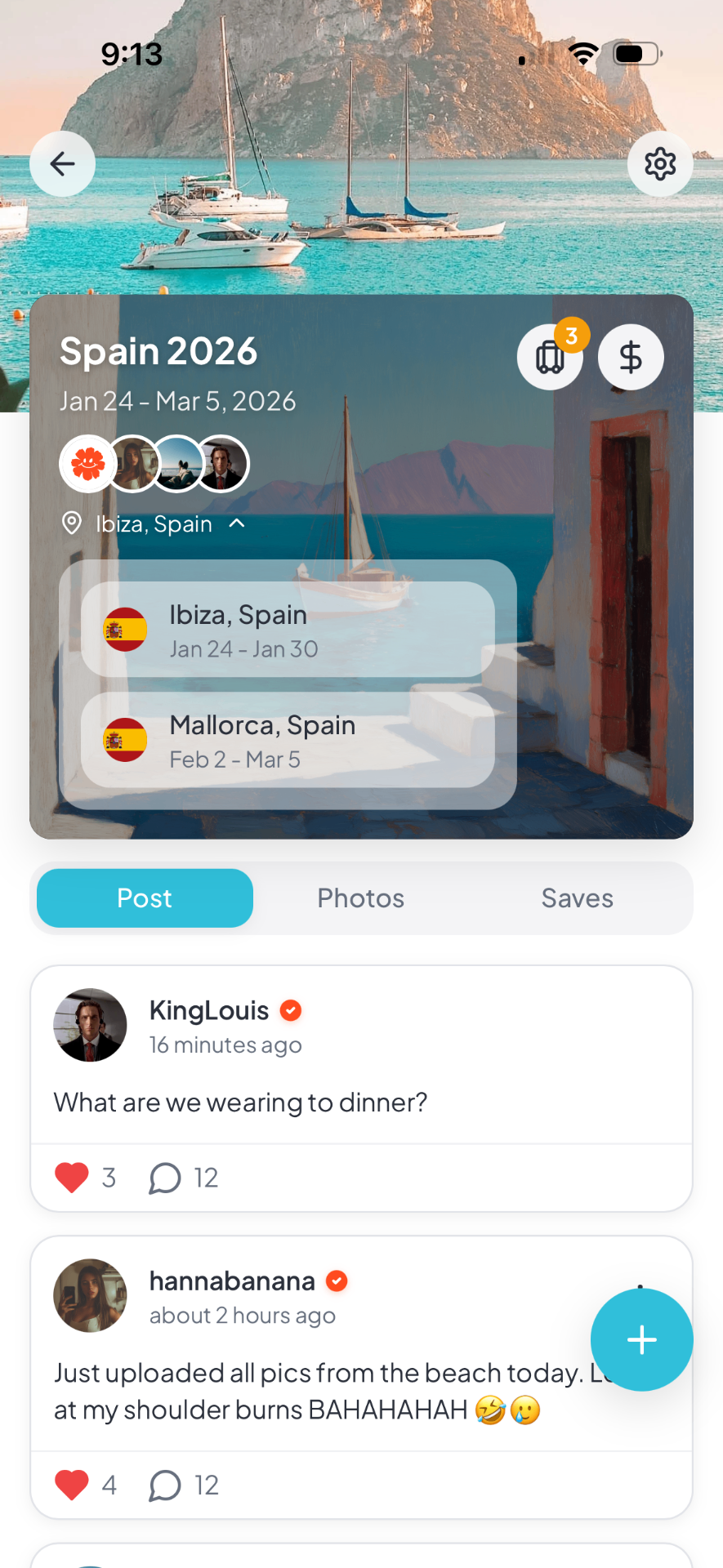
Clear ownership prevents confusion. Decide who books what before anyone opens a booking site. ### The Booking Captain Designate one person as the booking captain. They coordinate all reservations, collect money, and handle changes. This creates a single point of contact for hotels, airlines, and activity providers. The captain has authority to make booking decisions within agreed constraints. ### Role-Based Assignment Alternatively, assign booking roles by type. One person handles all flights. Another handles accommodation. Someone else manages activities and restaurants. This distributes work while maintaining clear ownership. Each person becomes the expert in their domain. ### Individual vs Group Booking Decide upfront what gets booked as a group versus individually. Accommodation usually benefits from group booking—one reservation, one check-in, common space. Flights often work better individually—everyone books their own route and timing. Using a [group trip planning](/features/group-trip-planning) tool helps track who is responsible for each booking. Packed is helpful here because booking decisions can stay tied to the trip instead of being buried across chats and notes.
Set Booking Deadlines
Timing matters. Create clear deadlines that balance commitment with flexibility. ### The Research Phase Set a deadline for research completion. Everyone submits their preferred flight times, accommodation options, and activity ideas by a specific date. This creates a pool of options to choose from without endless back-and-forth. ### The Decision Deadline Set a hard deadline for booking decisions. "We book by Friday at 5pm or the trip is off." This forces commitment. People who cannot decide by the deadline opt out. The group moves forward with committed participants. ### The Cancellation Window Understand cancellation policies before booking. Some hotels offer free cancellation until 24 hours before. Some flights allow changes for a fee. Know your flexibility. Book refundable options when possible, especially for large groups where someone might drop out. This is where [How to Coordinate Group Travel Decisions](/blog/how-to-coordinate-group-travel-decisions) can make the planning process less fragmented.
Coordinate Flight Bookings
Flights are the most complex coordination challenge. Handle them deliberately. ### The Route Survey Before anyone books, survey the group about routing. Who is flying from where? What are their preferred departure times? Do they need direct flights or are connections okay? This prevents the mismatch where half the group arrives at noon and half at midnight. ### The Group Flight Strategy If the group is flying from the same city, book together. One person finds a flight that works for everyone, shares the details, and everyone books the same one. If flying from different cities, coordinate arrival times at the destination rather than departure times from origin. ### The Connection Buffer Build buffer time into connections and arrivals. Groups move slower through airports. Someone always needs a bathroom, forgot something, or walks slowly. Pad your schedule. Better to wait at the destination than miss a connection because the group could not move fast enough. In practice, that makes it easier to keep reservations attached to the same shared plan. If you are still refining the process, [How to Coordinate Travel Plans With Friends](/blog/how-to-coordinate-travel-plans-with-friends) is a practical companion piece.
Handle Accommodation Bookings
Where you stay shapes the entire trip. Coordinate accommodation carefully. ### The Single Reservation Approach One person books the entire accommodation on their card. They collect money from everyone before or after booking. This ensures everyone is in the same place with the same check-in details. The booker gets the confirmation and shares it with the group. ### The Room Assignment System If booking multiple rooms, assign them upfront. Who shares with whom? Who gets the room with the better view? Decide before booking to avoid conflict after. Document the assignments so everyone knows where they are sleeping. ### The Backup Plan Always have a backup accommodation option. The first choice might get booked while you are deciding. Know your second choice and be ready to pivot. Speed matters in competitive markets.
Manage Activity and Transport Reservations
The details matter as much as the big bookings. ### The Activity Coordinator Assign someone to handle activity bookings. Restaurants, tours, shows, rental cars. This person researches options, checks availability, and makes reservations. They keep a master list of confirmation numbers and details. ### The Transport Plan Coordinate how the group moves at the destination. Rental cars, public transit, rideshares. If renting cars, decide who drives and who pays for gas and parking. If using rideshares, set up a shared payment method or rotation system. ### The Confirmation Archive Create a shared document with all confirmation numbers, booking references, and contact information. Everyone has access, everyone knows where to look. This prevents the panic of lost confirmations and forgotten details.
Handle Changes and Cancellations
Plans change. Build flexibility into your booking coordination. ### The Change Protocol Establish how changes get handled. Who has authority to modify reservations? How do you communicate changes to the group? What is the process if someone needs to cancel? Having a protocol prevents chaos when circumstances shift. ### The Financial Settlement When someone cancels or changes plans, settle finances quickly. Refunds get redistributed. Extra costs get split. Do not let money linger unresolved. Clean financial handling preserves friendships better than precise accounting. ### The Documentation Habit Every change gets documented. New confirmation numbers, updated times, revised costs. The booking captain maintains the master document. Everyone checks it regularly. Using a [travel plans coordination](/blog/how-to-coordinate-travel-plans-with-friends) approach keeps everyone aligned when bookings change.
Plan your next trip with Packed
Group itineraries, expense splitting, and 700K+ places to discover in one app.