How to Recover from Bad Trip Planning
Learn how to recover from bad trip planning. Tips for fixing over-scheduled itineraries, budget problems, and group travel conflicts on the go.

Louis Bloom
Author
Recognizing When Your Plan Is Failing
The first step to recovery is admitting something is wrong. Many travelers push through bad plans out of stubbornness or sunk-cost fallacy, making things worse. ### The Warning Signs You're running hours behind schedule every day. People are snapping at each other over minor decisions. You're spending way more than budgeted and feeling stressed about it. These aren't just travel hiccups—they're signals that your plan isn't working and needs adjustment. ### The Sunk Cost Trap You've already paid for that museum pass, so you force yourself to go even though everyone is exhausted. You booked the restaurant weeks ago, so you drag a tired group across town for a mediocre meal. Letting go of plans that aren't serving you is essential for recovery. For destination-specific planning, keeping notes tied to a page like [Rome destination guide](/destinations/rome) makes the day easier to structure.
The Emergency Triage Approach
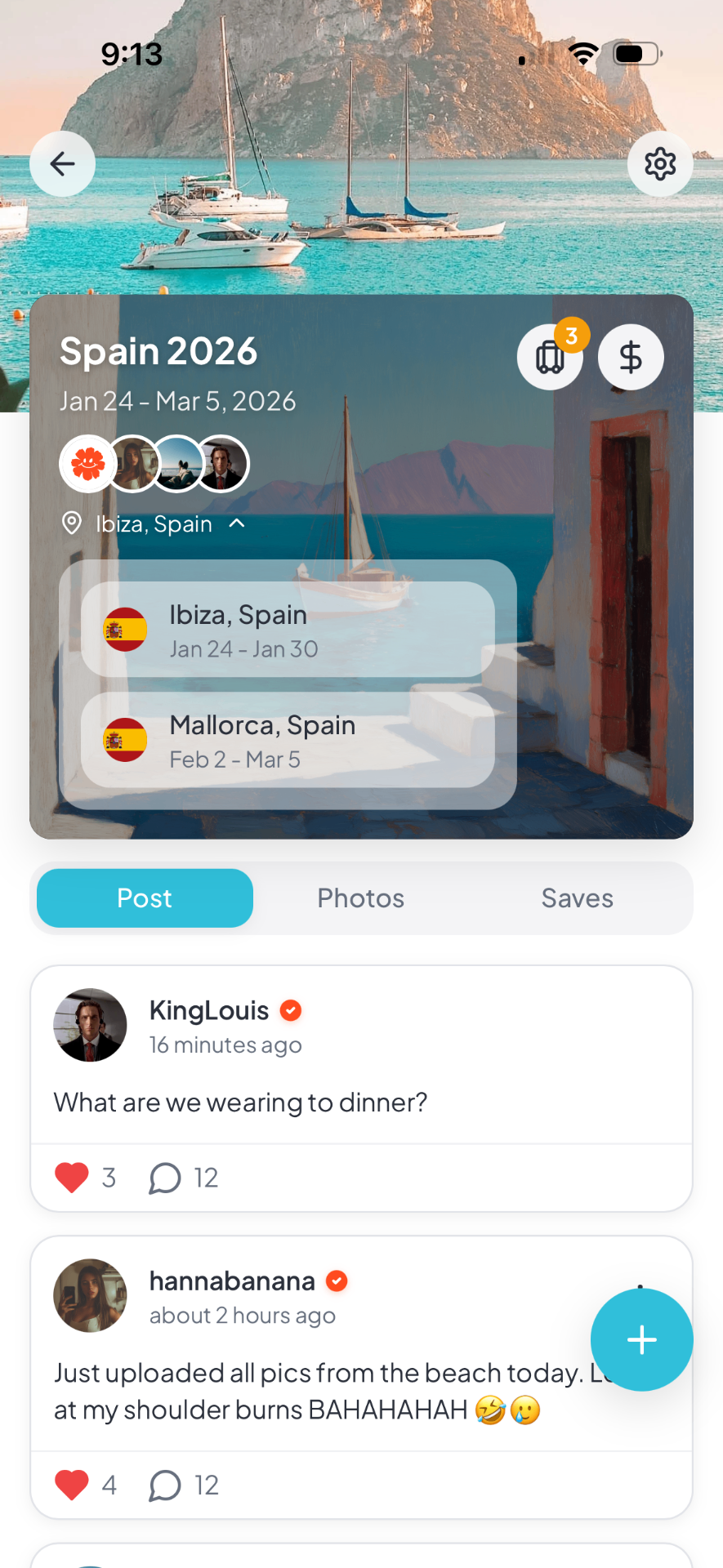
When everything feels like it's falling apart, you need a systematic way to decide what stays and what goes. ### The Must-Do vs. Nice-to-Do Sort Gather the group and list everything planned for the remaining days. Mark items as must-do, nice-to-do, or skip. Be brutal. That walking tour you booked? If everyone's feet are blistered, it's a skip. The reservation at the fancy restaurant? If the budget is blown, it's a skip. Keep only what genuinely matters to the group. ### The Day-By-Day Reset Look at tomorrow's schedule. Cut it in half. Most bad trip planning stems from over-scheduling. A plan that looked reasonable on paper becomes exhausting in reality. When you're figuring out how to recover from bad trip planning, the answer is almost always: do less. Using a [flexible itinerary tool](/features/group-trip-planning) lets you drag and drop activities to rebuild your schedule on the fly. Packed helps keep the whole plan in one place, so people are not jumping between notes, screenshots, and group chats.
Fixing Budget Blowouts
Money stress can poison a trip faster than almost anything else. Addressing it head-on prevents resentment and panic. ### The Damage Assessment Calculate what you've spent so far and what's left. Be honest about the gap. If you're halfway through the trip and have spent three-quarters of the budget, you need dramatic changes, not minor tweaks. ### The Emergency Budget Switch to emergency mode: grocery store meals instead of restaurants, free activities instead of paid attractions, walking instead of taxis. Most cities have incredible free experiences—parks, markets, neighborhoods to wander. In [Rome](/destinations/rome), you can fill days exploring Trastevere and the historic center without spending a euro on attractions. ### The Group Conversation If you're traveling with others, have an honest conversation about the budget situation. Everyone should understand the constraints and agree on the adjustments. Secrets and individual stress make things worse.
Healing Group Dynamics
Bad planning often leads to group conflict. The stress of things going wrong makes people irritable and quick to blame. ### The Blame-Free Reset Acknowledge that the plan isn't working without pointing fingers. Maybe you over-scheduled. Maybe the accommodation isn't what everyone expected. Maybe the destination choice wasn't right for this group. Focus on solutions, not fault. ### The Solo Time Solution If tensions are high, mandate solo time. Everyone spends the afternoon doing their own thing, then reconvenes for dinner. Absence really does make the heart grow fonder, and a few hours apart can reset group dynamics. ### The Check-In System Going forward, do quick mood checks. "How's everyone feeling? What do we need today?" This prevents resentment from building and lets you adjust before things explode. When coordinating a group trip, having a [shared space for communication](/features/group-trip-planning) helps surface issues before they become conflicts. For group trips, Packed is especially useful because everyone can see updates, save places, and stay aligned without constant back-and-forth.
Rebuilding Your Schedule on the Fly
Once you've cleared the deck, you need a new plan that actually works. ### The One-Thing Rule Plan one anchor activity per day. Everything else is bonus. This gives you structure without rigidity. If you make it to the second activity, great. If not, you still had a successful day. ### The Buffer Principle Build in way more time than you think you need. Travel between locations takes longer than Google Maps suggests, especially with groups. Meals run long. People need bathroom breaks. Planning for this prevents the stress of constant lateness. ### The Backup Plan Habit For every outdoor activity, have an indoor backup. For every reservation, have a walk-in alternative. Things will continue to go wrong—that's travel. Having alternatives ready makes those moments manageable rather than catastrophic. When coordination starts getting messy, [Paris destination guide](/destinations/paris) gives the group one clearer place to work from.
Learning for Next Time
Every trip disaster is data for better planning in the future. ### The Post-Trip Review After you get home, while memories are fresh, note what went wrong and why. Did you over-schedule? Under-budget? Choose the wrong destination for this group? Be specific. "We tried to do too much" is less useful than "We planned three major activities per day when one would have been plenty." ### The Pattern Recognition If this isn't your first trip planning failure, look for patterns. Do you always over-schedule? Always under-budget? Always choose destinations that don't match the group's interests? Recognizing your planning tendencies helps you compensate next time. ### The Tool Upgrade Sometimes bad planning stems from inadequate tools. If you were juggling five different apps and losing track of details, consider a more integrated solution. Using a dedicated [trip planning app](/features/group-trip-planning) that combines itineraries, expense tracking, and group communication can prevent the chaos of scattered information.
When to Call It and Go Home
Sometimes the best recovery is admitting defeat and ending the trip early. ### The Cost-Benefit Analysis If you're three days into a week-long trip and everyone is miserable, consider going home. The money is already spent—don't throw good days after bad. A few days of recovery at home might be worth more than forcing through a trip that isn't working. ### The Partial Abort If the whole group doesn't want to leave, consider splitting up. Some people continue, others go home. This requires maturity and communication, but it's better than everyone suffering through a trip that isn't working for them. ### The Reframe Even a failed trip has value. You learned what doesn't work. You tested relationships. You have stories—maybe not the stories you wanted, but stories nonetheless. Sometimes the best travel memories come from things going hilariously wrong. A related guide such as [London destination guide](/destinations/london) can also help if you want a more detailed planning workflow.
FAQ
Common questions about recovering from trip planning disasters.
Frequently asked questions
**How do you fix an over-scheduled trip?** Cut your schedule in half immediately. Keep only the one or two activities per day that matter most to the group. Build in buffer time for everything. Cancel or reschedule reservations if possible. Remember that doing less often leads to better experiences than rushing through more. **What if the group is fighting constantly?** Mandate solo time for everyone to recharge. Have an honest conversation about what's not working without assigning blame. Consider splitting the group for some activities. Sometimes the people who planned the trip need to step back and let others take the lead for a while. **How do you recover from a budget disaster mid-trip?** Switch to emergency budget mode immediately: grocery stores instead of restaurants, free activities instead of paid ones, public transit instead of taxis. Have an honest group conversation about the situation. Focus on experiences that don't cost money—walking, parks, people-watching. **Should you abandon a trip that's going badly?** Sometimes yes. If the trip is making everyone miserable and the remaining days look bleak, going home early can be the smart choice. The money is already spent—don't throw good days after bad. Consider whether a few days of recovery at home is worth more than forcing through a failing trip. **How do you prevent bad planning next time?** Do a specific post-trip review noting exactly what went wrong. Look for patterns in your planning failures. Build in way more buffer time than you think you need. Use better planning tools that keep everything in one place. Start with less ambitious plans—you can always add more if things are going well.
Plan your next trip with Packed
Group itineraries, expense splitting, and 700K+ places to discover in one app.