How to Plan Trips With Busy Friends
Plan trips with busy friends by locking dates faster, reducing back-and-forth, and keeping decisions visible in one place.

Louis Bloom
Author
Why Trips With Busy Friends Lose Momentum
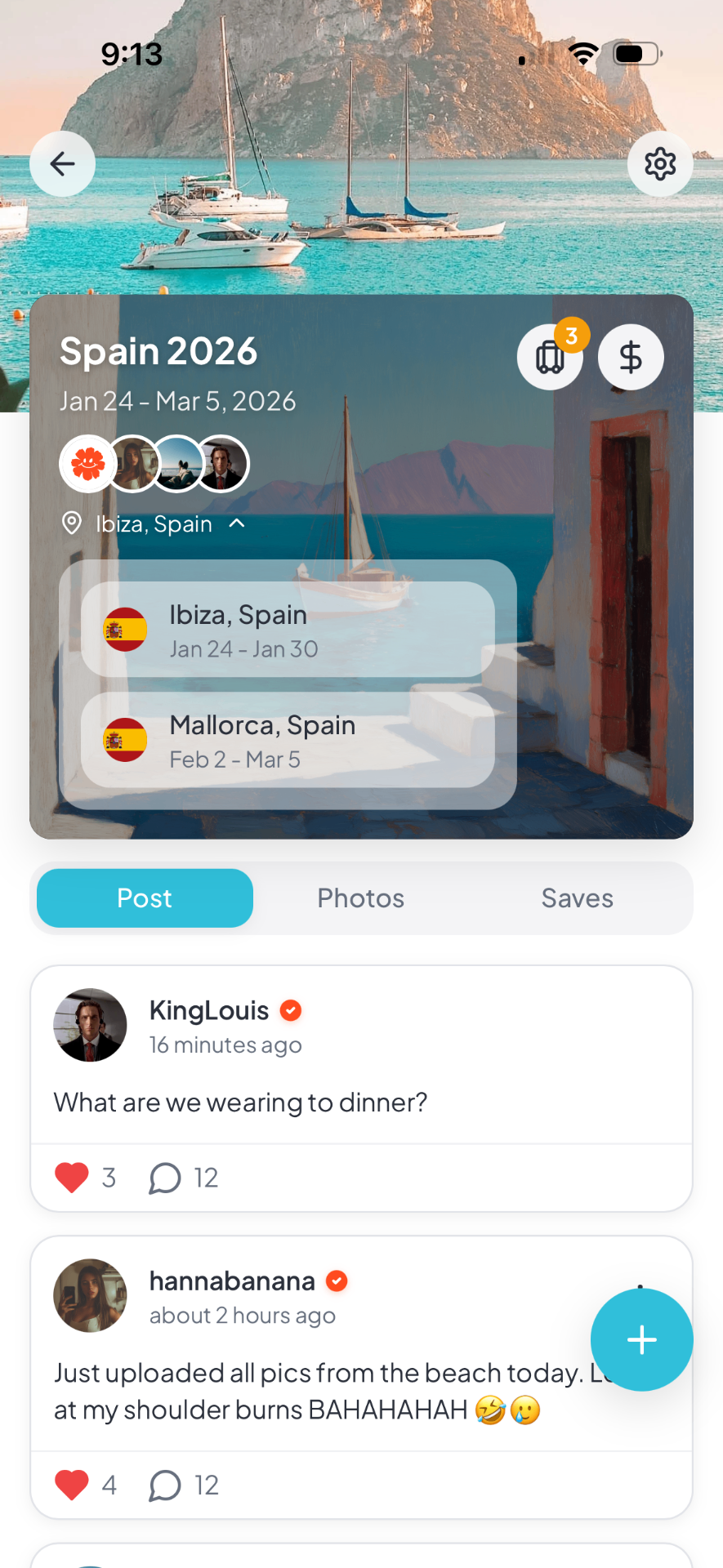
Planning trips with busy friends creates a unique challenge. Everyone wants to travel together, but calendars never align. Messages go unanswered for days. Proposed dates get rejected weeks later. The initial excitement fades into a planning stalemate while schedules fill up and the trip never happens. ### The Response Delay Problem Busy people check messages sporadically. A simple "what about June?" question sits unread for three days. By the time everyone responds, the proposed window has passed or someone else has committed to something else. The delay between proposal and response kills momentum. ### The Calendar Tetris Challenge Four busy professionals have sixteen different constraints. Work deadlines, family obligations, existing travel, conferences, weddings. Finding overlap requires advanced coordination, but busy people lack time for back-and-forth negotiation. The complexity exceeds the available planning bandwidth. ### The Indefinite Postponement Without hard deadlines, busy friends keep pushing decisions forward. "Let us figure it out next month" becomes next quarter, then next year. Planning requires sustained attention that busy schedules cannot provide. The trip stays in the "someday" category indefinitely. A page like [group trip planning](/features/group-trip-planning) helps when you want location-specific context before finalizing plans.
Create Response Windows
Busy people need structure to respond. Create clear windows that force decisions without requiring constant attention. ### The 48-Hour Rule When you need input, give a 48-hour deadline. "Need to know by Thursday 5pm if these dates work." This creates urgency without being aggressive. Busy people can batch their response with other tasks. The deadline prevents the message from sitting indefinitely. ### The Batch Request Instead of asking one question at a time, batch everything you need. Send availability windows, budget range, and destination preferences in one message. This reduces the total number of responses required. Busy people appreciate efficiency. ### The Default Action Make the default clear. "If I do not hear back by Thursday, I will assume these dates work and move forward with booking." This shifts the burden. Non-response becomes acceptance rather than delay. Busy people can opt out explicitly if needed, but silence no longer stalls the process. Packed makes more sense when the real problem is asynchronous coordination, not lack of interest. If logistics are getting messy, [trip countdown](/features/trip-countdown) is worth using early.
Lock Dates Faster
Dates are the foundation. Secure them quickly before calendars fill and momentum dies. ### The Availability Sweep Send a simple request: "Share your available weekends for the next four months." Collect all responses, find the overlap, propose the best option. Do not negotiate dates one by one. Get the full picture first, then make a single proposal. ### The Tiered Invitation When dates are scarce, invite in tiers. Core group gets first pick of the best window. If they cannot make it, move to the next tier. This ensures the trip happens with whoever can come rather than dying because one person is unavailable. ### The Deposit Commitment Require a small deposit to secure commitment. When busy people have money at stake, they prioritize the trip. The deposit also provides cash flow for bookings. Using a [group trip planning](/features/group-trip-planning) tool with shared calendars helps visualize availability and lock dates faster.
Plan Asynchronously
Busy friends cannot attend planning meetings. Design your process for asynchronous coordination. ### The Shared Document Create a single shared document with all decisions, deadlines, and responsibilities. Busy people can check it on their own schedule. No one needs to attend a call or read through a long chat history. The document becomes the single source of truth. ### The Decision Log Record every decision with a date and who made it. "Destination: Lisbon. Decided: March 15. By: Sarah." This prevents reopening settled questions. Busy people can see what was decided without asking. The log creates continuity across scattered planning sessions. ### The Role Assignment Assign specific tasks to specific people with clear deadlines. "Marcus books flights by Friday. Lisa reserves accommodation by Monday." This distributes work so no single person becomes the bottleneck. Busy people can handle their piece without coordinating with everyone else. For busy friend groups, that usually means less friction around timing and follow-up. For a related angle, [How to Plan a Group Trip Step by Step](/blog/how-to-plan-a-group-trip-step-by-step) is a useful follow-up read.
Work Around Conflicting Schedules
Perfect alignment is rare. Build flexibility into the plan to accommodate partial availability. ### The Staggered Arrival Not everyone needs to arrive at the same time. Some come Thursday evening, others Friday afternoon, others Saturday morning. This expands the viable date range and reduces pressure on exact alignment. The core activities happen when most people are there. ### The Early Exit Option Allow people to leave early if needed. Someone has a Monday morning meeting? They fly home Sunday night. The trip continues without them. This flexibility makes participation possible for people with tight constraints. ### The Local Meetup Alternative When travel is impossible, consider local alternatives. A weekend at a nearby cabin instead of international travel. A day trip instead of an overnight. Reduced scope keeps the group connected when full trips are impractical.
Maintain Momentum
Busy schedules drain planning energy. Keep the process moving with intentional momentum preservation. ### The Weekly Pulse Send a brief weekly update with progress and next steps. "Flights booked. Now choosing between two hotels. Need votes by Wednesday." This keeps the trip alive in everyone's mind without demanding significant attention. Regular contact prevents the plan from being forgotten. ### The Visual Countdown Create a visible countdown to the trip. A shared calendar event, a group chat with the date in the title, a simple countdown timer. Visual reminders maintain excitement and urgency. As the date approaches, busy people start clearing their schedules. Using a [trip countdown](/features/trip-countdown) feature keeps everyone focused on the approaching departure. ### The Micro-Celebrations Celebrate small milestones. When flights are booked, share the confirmation. When accommodation is secured, post photos. These micro-celebrations maintain energy through the long planning process. Busy people feel progress even when they are not actively planning.
Execute Despite Imperfection
Waiting for perfect conditions means waiting forever. Execute the trip with imperfect availability. ### The Minimum Viable Group Define the minimum number of people needed for the trip to happen. Four is often enough. Do not cancel because two people cannot make it. The trip happens with who can come. Those who miss out join next time. ### The Partial Participation Plan Some people join for part of the trip. They come for the weekend but miss the weekday activities. They join for the first half but leave early. Partial participation is better than no participation. The plan accommodates real schedules. ### The Next Trip Promise When people cannot make this trip, immediately start planning the next one. "You cannot do June, but what about October?" This maintains the relationship and gives busy friends something to look forward to. The group stays connected across multiple attempts.
Plan your next trip with Packed
Group itineraries, expense splitting, and 700K+ places to discover in one app.