7 Itinerary Planning Mistakes That Ruin Trips (and How to Fix Them)
Overplanning, back-to-back bookings, and ignoring jet lag are the top itinerary mistakes that cost travelers time and money. Here's how to avoid each one.

Louis Bloom
Author
Why overplanning kills spontaneity
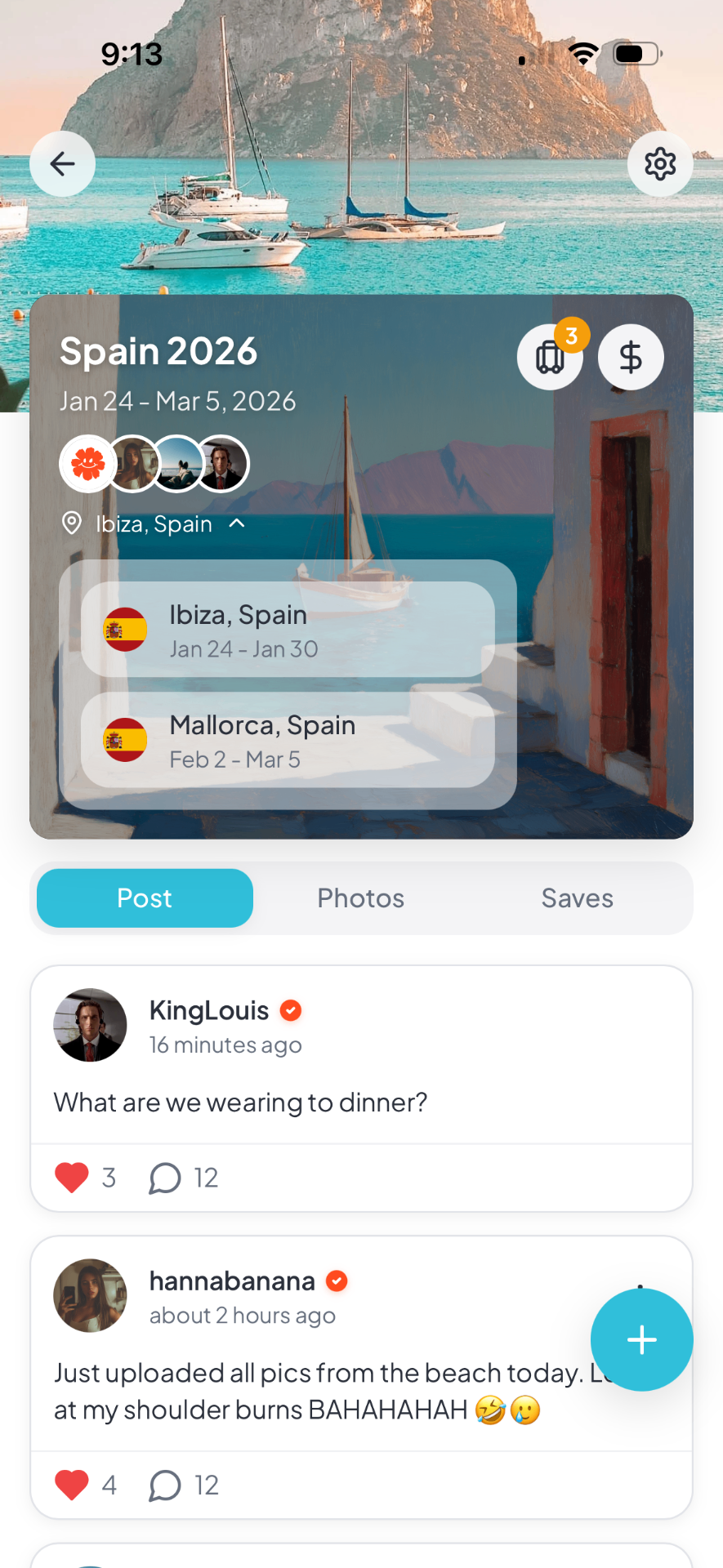
The biggest mistake travelers make is treating their itinerary like a military operation. When every hour is scheduled, you miss the unexpected moments that make trips memorable. ### The hidden cost of minute-by-minute plans Last summer in Rome, I watched a couple argue at the Trevi Fountain because their schedule allowed exactly 15 minutes for photos before rushing to the Pantheon. They missed the street musician playing Vivaldi on violin, the gelato shop around the corner that locals recommended, and the sunset over the city from a rooftop they didn't know existed. Rigidity costs you the magic of travel. When you're constantly checking your watch, you're not present in the moment. The best travel memories come from unplanned detours: the conversation with a local shopkeeper, the restaurant you stumble into when lost, the festival you didn't know was happening. These moments can't be scheduled—they emerge from openness to the unexpected. ### Finding the balance A good itinerary has structure without suffocation. Book your must-sees—the Colosseum, the Vatican, that restaurant everyone's talking about. But leave 30-40% of your time unscheduled. Wake up without an alarm some mornings. Wander neighborhoods without a map. Say yes to invitations you didn't plan for. Apps like [Packed](https://packedtravel.app) help you share a loose itinerary with your group while keeping flexibility. Everyone knows the anchor points without feeling chained to them. The app lets you build a framework that keeps everyone aligned while preserving room for spontaneity.
The problem with back-to-back bookings
Stacking activities without travel time between them is a recipe for stress and missed reservations. This mistake turns vacations into sprints and leaves you more exhausted than when you left home. ### Real transit times in major cities In Paris, getting from the Louvre to Montmartre takes 35-45 minutes by Metro when you factor in walking to stations and waiting. In Tokyo, transferring between lines at Shibuya during rush hour can add 20 minutes to your journey. These aren't exceptions—they're normal urban travel realities that trip planning apps often underestimate. Travelers often assume Google Maps times are accurate, but they don't account for: finding the right exit in massive stations, buying tickets in foreign languages, getting slightly lost, or simply moving slower with luggage or in hot weather. In [Rome's](/destinations/rome) summer heat, walking between attractions takes 30% longer than maps suggest. In [Tokyo's](/destinations/tokyo) sprawling stations, finding the right platform can take 15 minutes alone. ### Building realistic schedules Add 50% buffer to every transit estimate. If Google says 20 minutes, plan for 30. If you're traveling with a group, add another 10 minutes for coordination delays. Someone always needs a bathroom break, forgot something at the hotel, or wants to grab coffee. When planning your Rome itinerary, don't book the Vatican at 9 AM and the Colosseum at 11 AM. They're 45 minutes apart minimum, plus security lines that can take an hour during peak season. Give yourself breathing room. Build in time to actually experience places rather than just checking them off a list.
Ignoring local rhythms and customs
Planning a lunch meeting in Barcelona at 1 PM or expecting shops to be open in Paris on Sunday morning shows a fundamental misunderstanding of local culture. This mistake leads to frustration, missed meals, and a tourist experience rather than an authentic one. ### European schedules that trip up travelers In Spain, lunch happens at 2-3 PM and dinner at 9-10 PM. Restaurants that open at 7 PM are tourist traps serving mediocre food to hungry foreigners who don't know better. The good places don't even turn on their lights until 8:30 PM. In Italy, many shops close from 1-4 PM for riposo, the afternoon rest that predates modern capitalism. In Germany, stores are closed on Sundays and holidays—no exceptions, no matter how badly you need toothpaste. These aren't inconveniences to work around; they're cultural features to embrace. Planning dinner at 6 PM in Madrid means you'll be eating alone in empty restaurants with inflated prices and microwaved paella. Waiting until 9 PM means you'll experience the city as locals do, surrounded by energy, conversation, and authentic cuisine. ### Research before you book Check opening hours on official websites, not just Google Maps. Look up local holidays during your visit. Read recent traveler forums for current schedules, as these can change seasonally. When we planned our Istanbul trip, we discovered the Grand Bazaar closes Sundays and most museums are closed Mondays. This completely changed our [itinerary](/features/trip-itineraries) structure, but we avoided the frustration of showing up to locked doors.
Forgetting to account for jet lag
Booking a walking tour 8 hours after an overnight flight from New York to Paris is setting yourself up for misery. This common mistake turns your first day into a haze of exhaustion and ruins experiences you paid good money for. ### The science of jet lag recovery Your body needs roughly one day per time zone crossed to fully adjust. Flying from Los Angeles to Rome (9 hours ahead) means you'll be operating at reduced capacity for nearly a week. Your first 2-3 days will involve foggy thinking, digestive issues, and disrupted sleep regardless of how tough you think you are or how much coffee you drink. The worst itinerary mistake is scheduling demanding activities—long museum visits, strenuous hikes, important meetings—during your adjustment period. You're paying for experiences you won't fully appreciate because your brain is operating in survival mode. ### Planning around jet lag Schedule light, flexible activities for your first 48 hours. Walking tours work better than museum marathons. Outdoor markets beat indoor lectures. Leave evenings free for early bedtimes without FOMO. Your body will force you to sleep early anyway—work with it, not against it. If you're traveling east (US to Europe), you'll wake up early. Use those 5 AM wake-ups for sunrise photography or quiet neighborhood walks before the crowds. If traveling west, you'll struggle to fall asleep—plan late dinners and evening activities to match your delayed circadian rhythm.
Not sharing plans with your travel group
Assuming everyone in your group has the same expectations is how arguments start and friendships strain. This mistake creates daily friction that compounds over a week and can permanently damage relationships. ### The coordination breakdown One person thinks you're waking up at 7 AM for sightseeing. Another planned to sleep until 10. Someone assumed you'd split up for different activities. Someone else thought you'd stay together the whole trip. These mismatches create daily friction that compounds over a week. The solution isn't more planning—it's shared planning. Before you book anything, have a group conversation about: morning person vs night owl preferences, together time vs solo time balance, must-see vs nice-to-see priorities, and budget expectations for meals and activities. ### Tools that help Shared documents work, but dedicated travel apps are better. [Packed's group trip planner](/features/group-trip-planning) lets everyone see the itinerary, add suggestions, and coordinate without 47 text messages. When someone finds a great restaurant or wants to adjust plans, everyone sees it in real time. The key is creating a single source of truth that everyone can access and modify. No more "I thought we were..." or "Nobody told me..." moments.
Trying to see everything in one trip
The fear of missing out drives travelers to cram impossible schedules. You cannot see all of Rome in two days, all of Tokyo in a week, or all of Europe in two weeks. Attempting this guarantees exhaustion and shallow experiences. ### The quality vs quantity trap When you schedule six major attractions in one day, you spend more time in transit than experiencing anything. You snap photos and move on without absorbing what you're seeing. You return home with hundreds of pictures but no real memories. I learned this in Paris. My first trip, I visited the Eiffel Tower, Louvre, Notre Dame, Sacré-Cœur, and Musée d'Orsay in one day. I have photos of all of them but remember almost nothing except being exhausted. My second trip, I spent four hours in just the Louvre and can still describe specific paintings, the feeling of standing before them, and the conversation I had with a security guard about his favorite works. Quality creates memories; quantity creates photo albums. ### Choosing depth over breadth Pick fewer destinations and stay longer in each. Three days in Rome beats one day in Rome, one in Florence, and one in Venice. You'll discover neighborhood cafes, return to favorite spots, and actually relax into the rhythm of a place. The best travel advice I ever received: plan to return. You don't need to see everything this trip. Leave some museums unvisited, some restaurants untried, some neighborhoods unexplored. Give yourself reasons to come back.
Frequently asked questions
**How many activities should I plan per day?** Plan 2-3 major activities per day with 2-hour buffers between them. This leaves room for meals, transit, and unexpected discoveries without rushing. **Should I book everything in advance?** Book accommodations and must-see attractions 2-4 weeks ahead. Keep restaurants and optional activities flexible for local recommendations. **How do I share my itinerary with my travel group?** Use a shared travel app like [Packed](https://packedtravel.app) where everyone can see the itinerary, add suggestions, and coordinate in real time without constant texting. **What's the best way to handle jet lag on a short trip?** Stay on your home time zone if the trip is under 3 days. For longer trips, shift your sleep schedule 1-2 hours per day starting before departure.
Plan your next trip with Packed
Group itineraries, expense splitting, and 700K+ places to discover in one app.