Complete Guide to Planning a Trip With Friends
The complete guide to planning a trip with friends. Tips for coordination, budgeting, decision-making, and creating shared memories without the stress.

Louis Bloom
Author
The Pre-Trip Conversation
Before booking anything, have the conversation that prevents future conflicts. This foundation determines whether your trip succeeds or strains friendships. ### The Budget Reality Check Be explicit about money. Everyone should state their comfortable spending range for accommodation, food, and activities. If one person can afford luxury hotels and another is on a tight budget, you need to address this now. Awkward conversations before booking prevent resentment during the trip. ### Travel Style Alignment Discuss preferences openly. Early risers versus late sleepers. Museum people versus cafe people. Walkers versus transit riders. Intense sightseeing versus relaxed wandering. Misaligned expectations create friction. For a trip to [Tokyo](/destinations/tokyo), these differences matter—some will want to maximize every moment while others need downtime. ### The Commitment Level Clarify who is definitely in versus who is still deciding. Soft commitments derail planning. Set a deadline for firm yeses backed by deposits or ticket purchases. Using a group trip planning app like [Packed](/features/group-trip-planning) helps everyone see who is committed and keeps planning momentum going without constant check-ins.
Choosing Dates That Work
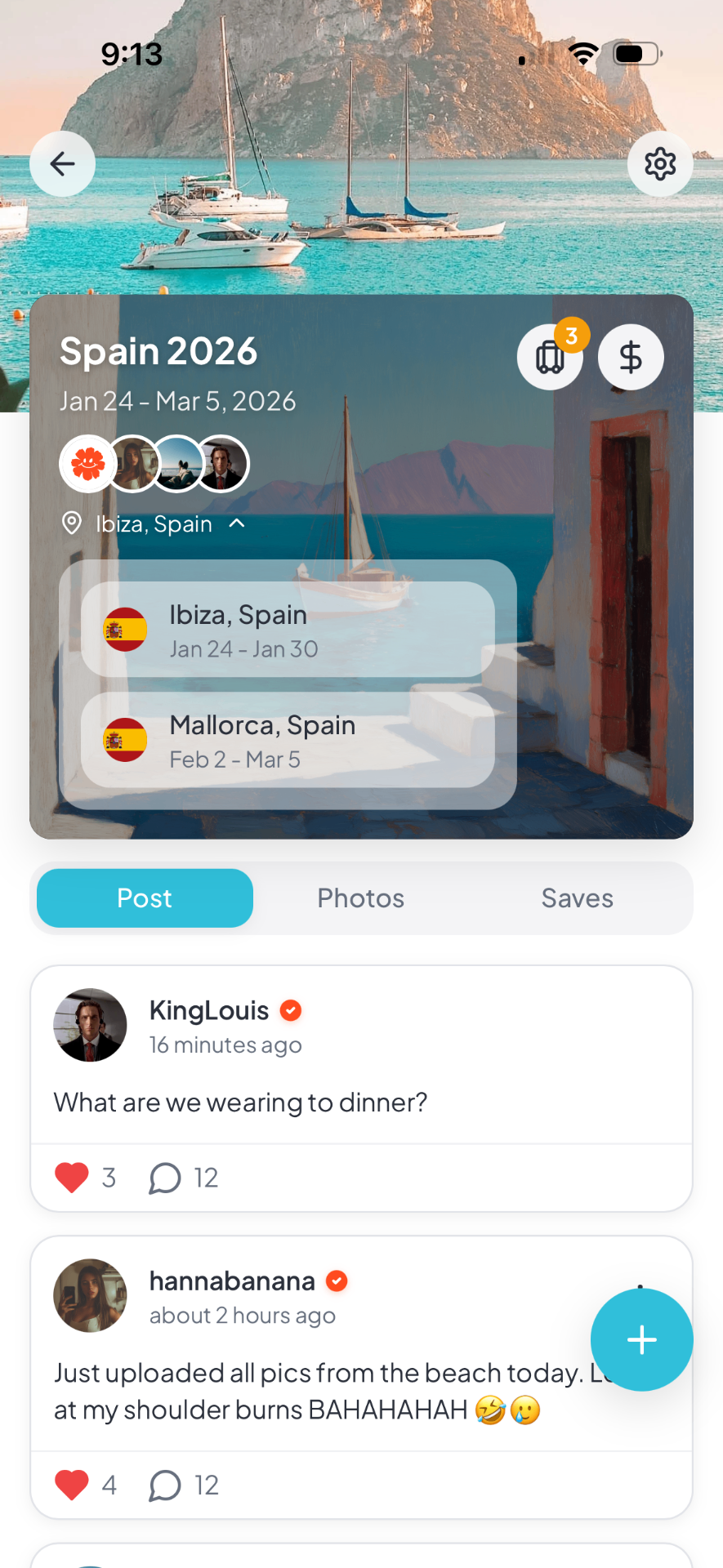
Finding dates that work for everyone is often the hardest part of group trip planning. ### The Doodle Poll Approach Use scheduling tools where everyone marks their availability without endless back-and-forth messaging. Look for overlaps, not perfection. Rarely will one set of dates work perfectly for everyone. ### Handling the Almost Available Someone will have a work conflict on your preferred dates, a tentative commitment, or family obligations they could maybe miss. Do not let vague maybes derail the group's planning. Set a deadline: confirm by this date or we are moving forward without you. ### The Duration Decision Longer trips amplify both the joys and challenges of group travel. A weekend trip forgives mismatched energy levels. A two-week trip requires deeper compatibility. Be realistic about how much togetherness your group can handle. Packed fits this well because a group trip can act like a private shared page where everyone posts updates, comments, uploads photos, and saves places. For destination-specific planning, keeping notes tied to a page like [Tokyo destination guide](/destinations/tokyo) makes the day easier to structure.
Selecting Accommodation for Groups
Where you stay shapes the entire trip experience. Groups have different needs than solo travelers or couples. ### The Apartment Advantage For groups of four or more, apartments often beat hotels. You get a kitchen for breakfasts and late-night snacks, a living room for group hangouts, and separate bedrooms for privacy. In [Bangkok](/destinations/bangkok), a Sukhumvit apartment gives you neighborhood immersion that hotels cannot match. ### Location vs. Space Trade-offs Central locations cost more but save time and transit hassle. Spacious places outside the center offer better value but require more planning. For short trips, central usually wins. For longer stays, the extra space matters more. ### The Privacy Factor Not everyone wants to share a room. Establish rooming preferences early and factor this into accommodation choices. Some groups are comfortable with shared bedrooms; others need everyone to have their own space. Respect these needs without judgment.
Building the Group Itinerary
Democracy sounds good until you are twenty messages deep debating lunch options. Better systems exist for group decision-making. ### The Rotating Dictator Assign one person as decision-maker for each day. They choose restaurants, set departure times, and adjust plans as needed. Others provide input but final authority rests with that day's leader. This rotates the burden and prevents resentment. ### Pre-Deciding the Big Items Make major decisions before the trip: which neighborhoods to explore, which restaurants to book, which activities are group priorities. On-trip decisions should only involve execution details. This removes the exhausting "what should we do today" conversations. ### Built-In Flexibility Not everyone needs to do everything together. Build in free time where people can pursue individual interests. Reconvene for meals to share experiences. Forcing constant togetherness breeds frustration. That gives the group one place to coordinate decisions instead of splitting everything across chats, notes, and separate planning apps. When coordination starts getting messy, [Bangkok destination guide](/destinations/bangkok) gives the group one clearer place to work from.
Managing Money as a Group
Financial conflicts destroy group trips faster than any other issue. Establishing clear systems prevents problems. ### The Shared Pot Method Everyone contributes an equal amount to a shared fund at the trip's start. Use this for group meals, transit, and activities. Replenish when it runs low. This eliminates constant calculations and IOUs. ### Real-Time Expense Tracking When the shared pot does not work, track expenses as they happen. Someone pays for dinner, another covers museum tickets, someone else buys the group metro passes. Without a system, these debts become confusing. Using a shared expense tracker keeps everyone accountable and settling up at trip's end simple. ### Handling Different Budget Levels Groups often include people with different financial situations. Mix splurge activities with budget-friendly options so everyone feels comfortable. Let people opt out of expensive activities without pressure. Consider separate accommodations if budget differences are significant. A related guide such as [Dubai destination guide](/destinations/dubai) can also help if you want a more detailed planning workflow.
Navigating Group Dynamics
Spending extended time together reveals personality quirks and triggers conflicts. Planning for this reality helps. ### The Introvert Problem Not everyone recharges through social interaction. Build in alone time for those who need it. Some people need an hour of solitude after a day of group activities. Others want constant togetherness. Both needs are valid. ### Decision Fatigue Prevention By day three of constant group decisions, everyone is exhausted. Small annoyances become major grievances. Build in times when decisions are already made or individuals can decide for themselves. ### Conflict Resolution When tensions arise, address them directly but privately. The person upset about dinner choices should talk to the trip coordinator, not vent to the whole group. Public complaints create defensive reactions; private conversations allow solutions.
The Day-Before and Day-After
Bookend your trip with intentional planning to start and end on positive notes. ### The Pre-Trip Meetup Gather the group a few days before departure to review the itinerary, confirm logistics, and build excitement. This surfaces any last-minute concerns while there is still time to adjust. ### The Arrival Strategy Plan something low-key for arrival day. Everyone is tired from travel and adjusting to a new place. A casual dinner near your accommodation beats an ambitious sightseeing agenda. ### The Post-Trip Debrief After returning, gather to share photos, settle final expenses, and discuss what worked and what did not. This closure prevents lingering resentments and improves future group trips.
FAQ
Common questions about planning trips with friends.
Frequently asked questions
**How far in advance should you plan a trip with friends?** Start initial discussions six to nine months ahead for international trips. This gives time to coordinate schedules, save money, and book better rates. Domestic trips need three to four months. The more people involved, the earlier you should start. **What is the ideal group size for friend trips?** Four to six people hits the sweet spot. You get group discounts and shared accommodation savings without the coordination nightmares of larger groups. Above eight people, decision-making slows significantly and splitting up becomes necessary anyway. **How do you handle friends who do not participate in planning?** Set clear deadlines for input and make clear that silence equals consent. If someone does not respond by the deadline, proceed without their input. Some people genuinely prefer to show up and have others handle logistics. Respect that if they accept the decisions made. **What if the trip is not working out midway through?** Call a group meeting to air concerns and adjust plans. Be willing to abandon the structured itinerary for a day if everyone needs a break. Sometimes the best group bonding happens during unplanned moments. Focus on salvaging the remaining time rather than dwelling on what went wrong.
Plan your next trip with Packed
Group itineraries, expense splitting, and 700K+ places to discover in one app.