How to Plan a Group Trip Step by Step
Learn how to plan a group trip step by step. A clear workflow for moving from idea to confirmed bookings without losing momentum or creating confusion.

Louis Bloom
Author
Step 1: Confirm Who Is Actually In
Group trips die in the maybe phase. The first step is converting vague interest into committed participants. ### The Interest Check Send a simple message to your potential group: "Thinking about a trip in June. Who is actually interested?" This filters out the polite maybes from the genuinely excited. Do not plan around people who respond with "maybe" or "let me check my calendar." ### The Commitment Threshold Set a clear deadline for commitment. "We need to know by next Friday if you are in." This creates urgency and forces decisions. The people who miss the deadline were never actually coming. Move forward with confirmed participants only. ### The Core Group Lock Once you have your committed group, stop recruiting. Adding new people after planning has started disrupts accommodation bookings, changes the budget dynamic, and delays decisions. The core group is your foundation. Before locking the route, it helps to cross-check details with [group trip planning](/features/group-trip-planning).
Step 2: Lock in Dates
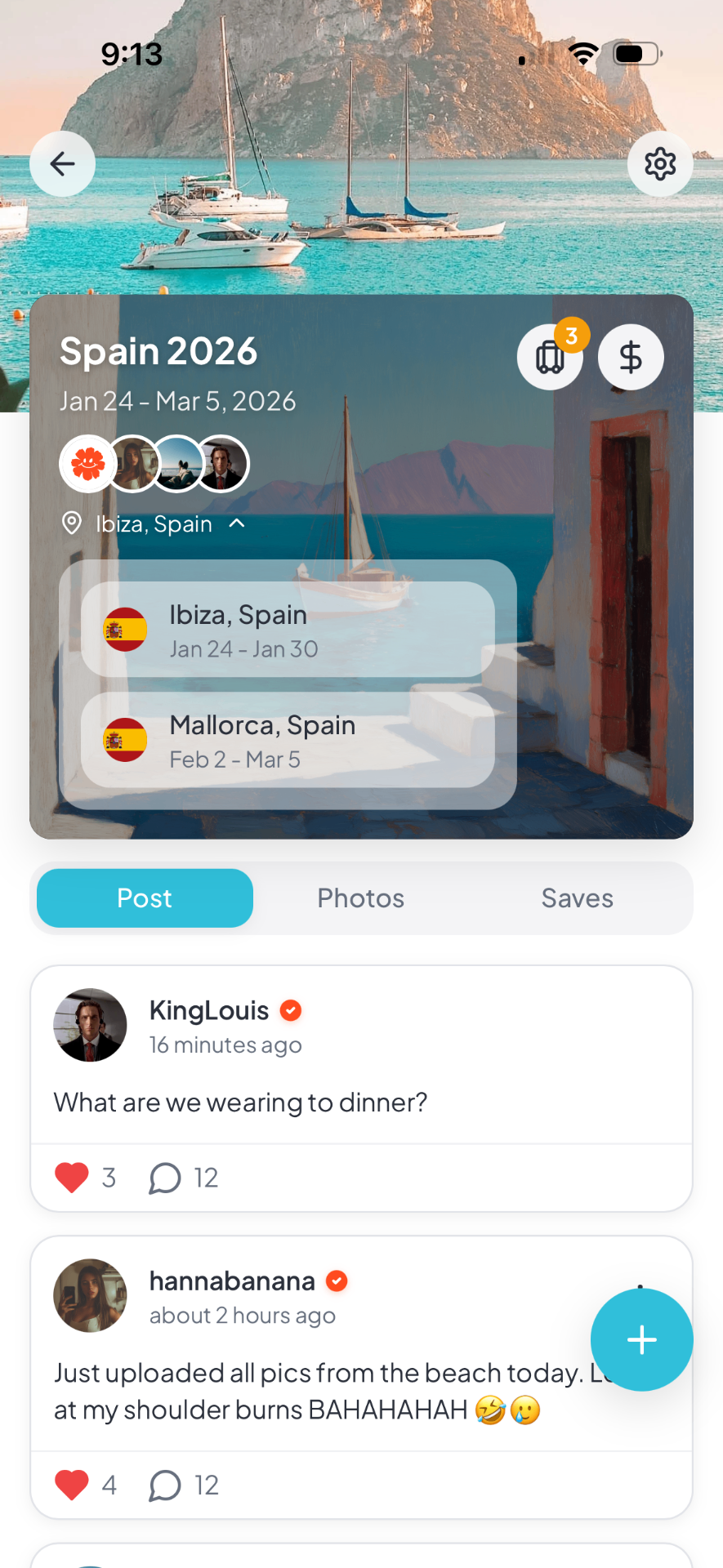
Dates are the constraint that makes every other decision possible. Without fixed dates, planning stalls indefinitely. ### The Availability Survey Have everyone share their available windows. Look for overlap, not perfect alignment. If six people can do June 10-20 and two can only do June 15-25, the trip is June 15-20. The majority rules, but try to accommodate the edges. ### The Decision Deadline Give the group one week to propose date conflicts. After that, dates are locked. The person who discovers a work conflict the day before booking loses their spot. Harsh, but necessary to prevent endless rescheduling. ### The Duration Agreement Decide trip length upfront. A long weekend, a full week, ten days—everyone needs the same expectation. Mixed expectations about duration create tension when some people want to extend and others need to return. Packed becomes more useful once the trip has enough moving parts that a chat thread is no longer enough. For coordination, [Complete Guide to Planning a Trip With Friends](/blog/complete-guide-to-planning-a-trip-with-friends) is useful once multiple people are editing the same plan.
Step 3: Define the Trip Type
What kind of trip is this? The answer shapes every decision that follows. ### The Vibe Check Is this a relaxation trip, an adventure trip, a city exploration, or a mix? Everyone needs to want the same thing. The friend who wants to lounge by a pool will be miserable on a hiking trip. The adventure seeker will be bored at a beach resort. ### The Activity Level Agreement How packed should the days be? Some groups want every hour scheduled. Others want one anchor activity and freedom to wander. Neither is wrong, but the group needs consensus. Mismatched expectations about pace create daily friction. ### The Flexibility Spectrum Decide how much structure the group wants. Rigid itineraries reduce spontaneity but ensure everyone sees the priorities. Loose plans allow discovery but risk missing must-see attractions. Most groups do best with a middle path—one scheduled activity per day, the rest flexible. A related guide like [Complete Guide to Planning a Trip With Friends](/blog/complete-guide-to-planning-a-trip-with-friends-2) can help if you want to go deeper on this workflow.
Step 4: Choose the Destination
With dates and trip type locked, destination selection becomes much easier. ### The Nomination Round Everyone proposes one destination with a one-sentence pitch. No seconding, no debate—just nominations. This surfaces options you might not have considered and prevents the loudest voice from dominating the conversation. ### The Constraint Filter Apply your fixed parameters. Wrong season for that destination? Eliminated. Requires visas half the group does not have? Eliminated. Does not match the trip type? Eliminated. Constraints narrow the field quickly. ### The Final Vote Put the finalists to a vote. Simple majority wins. If it is a tie, the person who proposed the trip breaks it. Document the decision and move on—no reopening the debate later. Using a [group trip planning](/features/group-trip-planning) tool with voting features keeps this transparent and prevents lingering resentment. That usually matters most when several people are involved and the group needs one current version of the plan.
Step 5: Assign Responsibilities
One person cannot do everything. Distribute the workload to maintain momentum. ### The Role Assignment Assign specific roles: one person handles flights, another accommodation, another activities, another the shared expenses. Roles should match skills—the organized person handles logistics, the foodie plans restaurants, the deal-hunter monitors prices. ### The Check-in Schedule Set weekly check-ins where each role reports progress. This prevents tasks from stalling and surfaces blockers early. The flight person might be waiting for the accommodation person to confirm location before booking. ### The Decision Authority Each role has decision authority in their domain. The accommodation person chooses between Airbnb options without group debate on every detail. The group provides constraints and veto power, not micromanagement.
Step 6: Book the Anchors
Flights and accommodation are the foundation. Everything else builds around these fixed points. ### The Flight Coordination The flight person monitors prices and sends a booking window. Everyone books their own flights within that window to coordinate arrival times. Shared arrival reduces airport transfer costs and starts the trip together. ### The Accommodation Lock Choose accommodation that fits the group dynamic. Book somewhere with flexible cancellation initially, then lock in once flights are confirmed. The accommodation person handles the booking and payment, others reimburse their share. ### The Confirmation Distribution Share all confirmation numbers, addresses, and contact details with the entire group. Everyone should have access to essential information even if their phone dies or they lose connectivity. Store documents in a shared folder or group chat.
Step 7: Build the Skeleton Itinerary
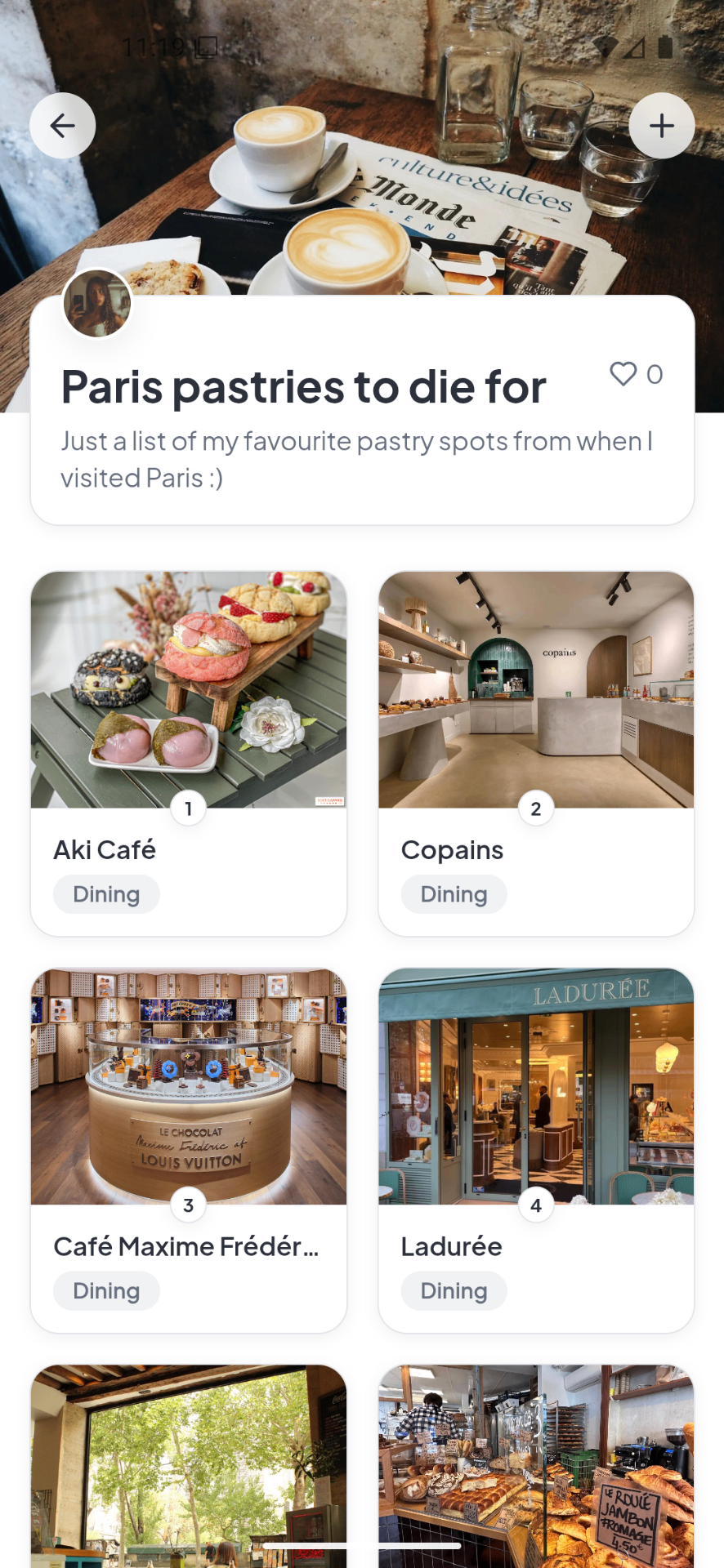
With anchor bookings locked, create a flexible structure for daily activities. ### The One-Thing Rule Plan one anchor activity per day—something that requires advance booking or is a must-see. Leave everything else flexible. This ensures priorities are met without over-scheduling. The skeleton provides structure; details get filled day-of. ### The Research Pool Create a shared document where everyone adds potential activities, restaurants, and neighborhoods. This becomes the pool of options to draw from when planning specific days. No one person is responsible for knowing everything. ### The Daily Rotation Rotate who leads each day. The daily leader chooses the route, picks restaurants, and makes on-the-ground decisions. This distributes mental load and prevents decision fatigue from crushing one person. Using a [shared itinerary](/features/shared-itinerary) tool keeps everyone aligned on the plan without constant messaging.
Step 8: Handle the Final Details
The last phase is handling the dozens of small details that make trips run smoothly. ### The Communication Plan Establish how the group communicates during the trip. Group chat works for most situations. Nominate a point person for emergency contacts back home. Make sure everyone has the accommodation address written down somewhere offline. ### The Document Check One week before departure, confirm everyone has necessary documents: passports, visas, travel insurance, emergency contacts. The person who discovers an expired passport the night before loses their spot and their money. Harsh, but necessary. ### The Pre-Trip Sync Schedule a final call or meeting a few days before departure. Confirm the basic plan, share any last-minute updates, and build excitement. This catches final issues and reminds everyone the trip is actually happening.
Plan your next trip with Packed
Group itineraries, expense splitting, and 700K+ places to discover in one app.