Planning a Group Trip for the First Time
Get a clearer way to planning a group trip for the first time with practical steps that reduce planning friction.

Louis Bloom
Author
Start With the Basics
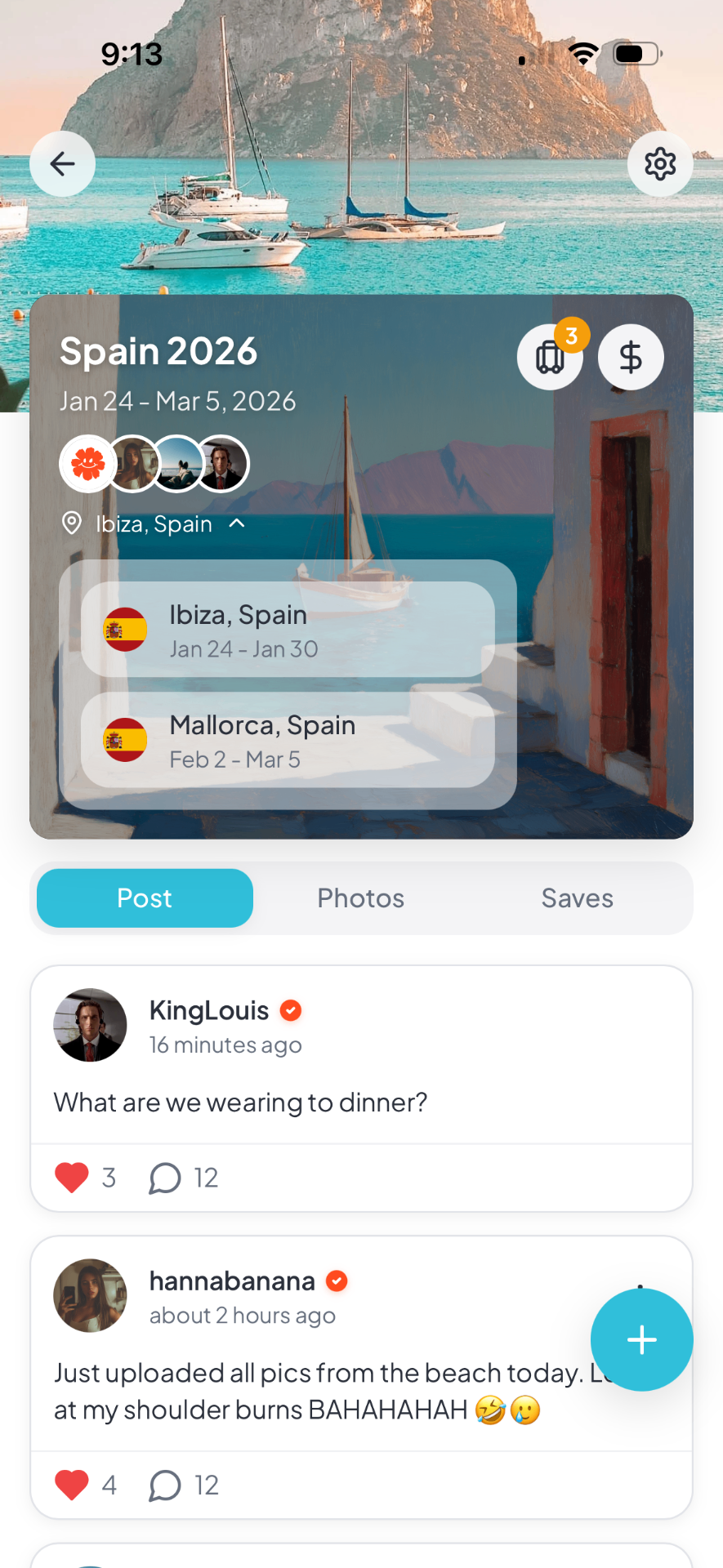
Your first group trip starts with three questions: who is coming, when can everyone go, and what kind of trip is this. Answer these before anything else. ### The Who Question Send a simple message to friends you want to travel with. "Thinking about a trip this summer. Who is actually interested?" This separates genuine enthusiasm from polite interest. Do not plan around maybes. Wait for firm yes responses before moving forward. ### The When Question Have everyone share their available dates. Look for overlapping windows. If four people can do July 10-20 and two can only do July 15-25, the trip is July 15-20. Compromise is necessary, but the majority decides. ### The What Question Decide what kind of trip this is. Beach relaxation? City exploration? Adventure hiking? Everyone needs to want the same thing. The friend who wants to lounge by the pool will be miserable on a hiking trip. Alignment on trip type prevents daily friction. Before locking the route, it helps to cross-check details with [group trip planning](/features/group-trip-planning).
Choose Your Destination Together
With basics locked, pick where you are going. This is where first-time planners often get stuck. ### The Nomination Round Everyone proposes one destination with a brief pitch. No debating yet—just nominations. This surfaces options you might not have considered and prevents the loudest voice from dominating. ### Apply Your Constraints Filter nominations through your fixed parameters. Wrong season for that destination? Eliminated. Requires visas you cannot get? Eliminated. Does not match your trip type? Eliminated. Constraints make decisions easier by narrowing options. ### Make the Final Call Put finalists to a vote. Simple majority wins. If tied, the person who proposed the trip breaks it. Document the decision and move on. Using a [group trip planning](/features/group-trip-planning) tool with voting keeps this transparent and prevents reopening debates later. Packed becomes more useful once the trip has enough moving parts that a chat thread is no longer enough.
Divide the Planning Work
One person doing everything leads to burnout and resentment. Split responsibilities from the start. ### Assign Specific Roles Match tasks to skills. The organized person handles accommodation. The deal-hunter monitors flights. The foodie plans restaurants. Someone else tracks shared expenses. Clear roles prevent duplication and gaps. ### Set Check-In Points Schedule brief updates where each person reports progress. Weekly works well. This surfaces blockers early and maintains momentum. The flight person might be waiting for the accommodation person to confirm location before booking. ### Give Decision Authority Each role owner makes decisions in their domain. The accommodation person chooses between options without group debate on every detail. The group provides constraints and veto power, not micromanagement. This prevents decision paralysis. For coordination, [Complete Guide to Planning a Trip With Friends](/blog/complete-guide-to-planning-a-trip-with-friends) is useful once multiple people are editing the same plan.
Book the Big Items First
Flights and accommodation are your anchors. Everything else builds around them. ### Coordinate Flight Booking The flight person monitors prices and announces a booking window. Everyone books their own flights within that window. This ensures coordinated arrival times without one person fronting thousands for everyone else. ### Lock in Accommodation Choose somewhere that fits your group dynamic. Vacation rentals for groups who want shared space. Hotels for those who value service. Book with flexible cancellation initially, then lock in once flights are confirmed. ### Share the Details Distribute confirmation numbers, addresses, and contact information to everyone. Each person should have access to essential details even if their phone dies. Store everything in a shared folder or group chat. That usually matters most when several people are involved and the group needs one current version of the plan. A related guide like [Complete Guide to Planning a Trip With Friends](/blog/complete-guide-to-planning-a-trip-with-friends-2) can help if you want to go deeper on this workflow.
Plan a Flexible Itinerary
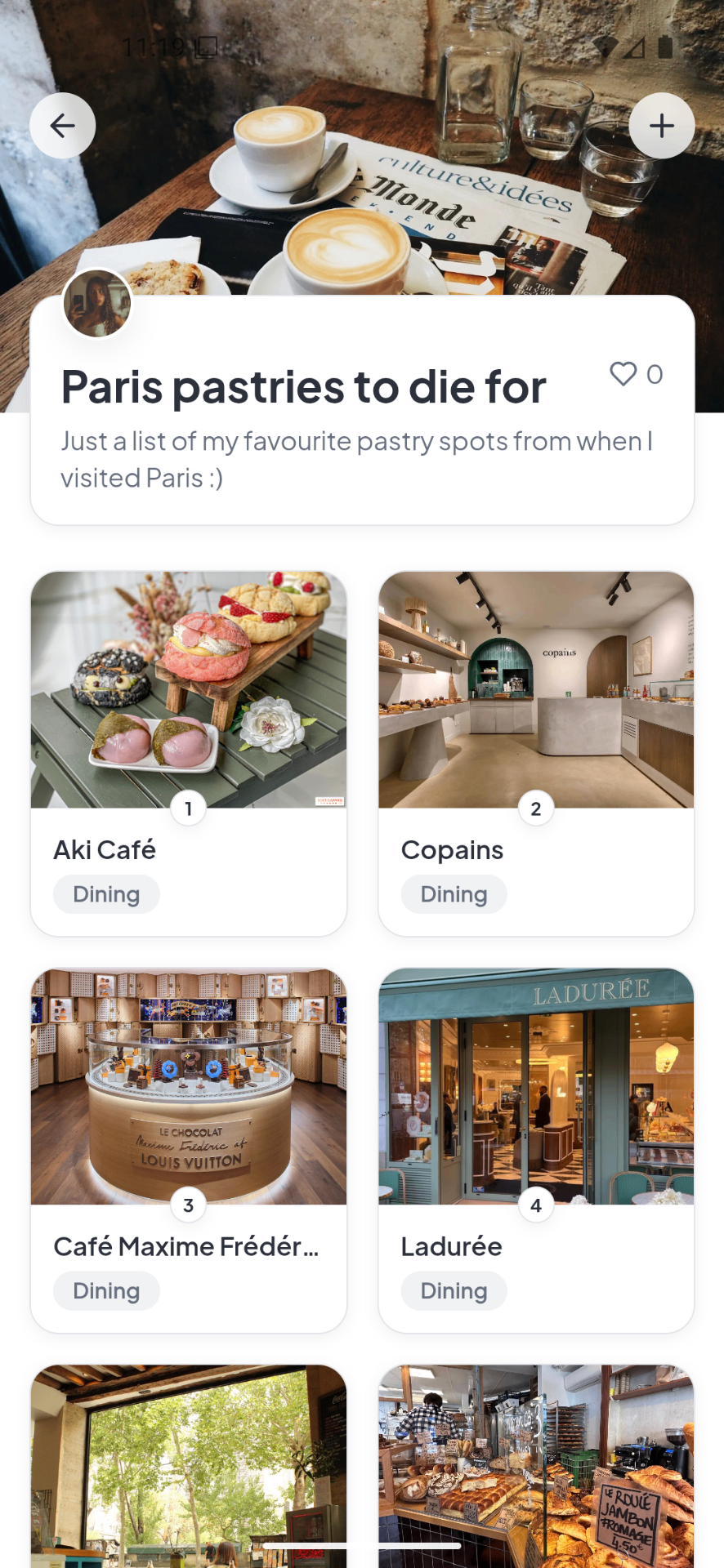
First-time planners often over-schedule. Build structure without rigidity. ### The One-Thing Rule Plan one anchor activity per day—something that requires advance booking or is a must-see. Leave everything else flexible. This ensures priorities are met while preserving room for spontaneity. ### Create a Shared Pool Everyone adds potential activities, restaurants, and neighborhoods to a shared document. This becomes your options list for planning specific days. No one person needs to research everything. ### Rotate Daily Leaders Each day, someone different leads. They choose the route, pick restaurants, and make on-the-ground decisions. This distributes mental load and prevents one person from burning out. Using a [shared itinerary](/features/shared-itinerary) tool keeps everyone aligned without constant messaging.
Handle Money Without Awkwardness
Financial discussions trip up many first-time group trips. Address them directly. ### Set Shared Expense Rules Decide upfront what counts as shared versus individual. Group dinners and shared transport are usually shared. Individual snacks and souvenirs are not. Write this down so expectations match. ### Track Expenses in Real Time Use a shared expense tracker from day one. One person pays, logs it immediately, splits get calculated automatically. Waiting until the end creates stress and often inaccurate math. ### Settle Regularly Settle shared expenses every few days, not at trip's end. Small, frequent settlements feel manageable. One massive bill at departure feels overwhelming and can strain friendships.
Prepare for the Unexpected
First trips rarely go perfectly. Build resilience into your plan. ### Build in Buffer Time Allow extra time between activities. Groups move slower than individuals. Someone needs a bathroom, another forgot something, someone is still texting. Padding prevents the stress of rushing. ### Have Backup Plans For every outdoor activity, know one indoor alternative nearby. Weather, closures, or changing moods can derail plans. Having alternatives prevents panic scrambles. ### Establish Communication Decide how you will communicate during the trip. Group chat works for most. Nominate a point person for emergency contacts back home. Make sure everyone has the accommodation address written down offline.
Learn as You Go
Your first group trip is practice. Pay attention to what works. ### The Daily Check-In Spend five minutes each evening reviewing the next day. Does the plan still make sense? Has anyone learned about something better? Adjust based on energy and new information. ### Document What Works Note what went well and what did not. This feedback improves your next group trip. Share photos, settle final expenses, and start talking about where to go next. ### Celebrate the Win Completing your first group trip is an achievement. Friendships survived, memories were made, and you learned how to do it better next time. That is success.
Plan your next trip with Packed
Group itineraries, expense splitting, and 700K+ places to discover in one app.