How to Organize Travel With Big Friend Groups
Learn how to organize travel with big friend groups. Practical coordination systems for managing large groups without the plan collapsing into chaos.

Louis Bloom
Author
The Communication Architecture
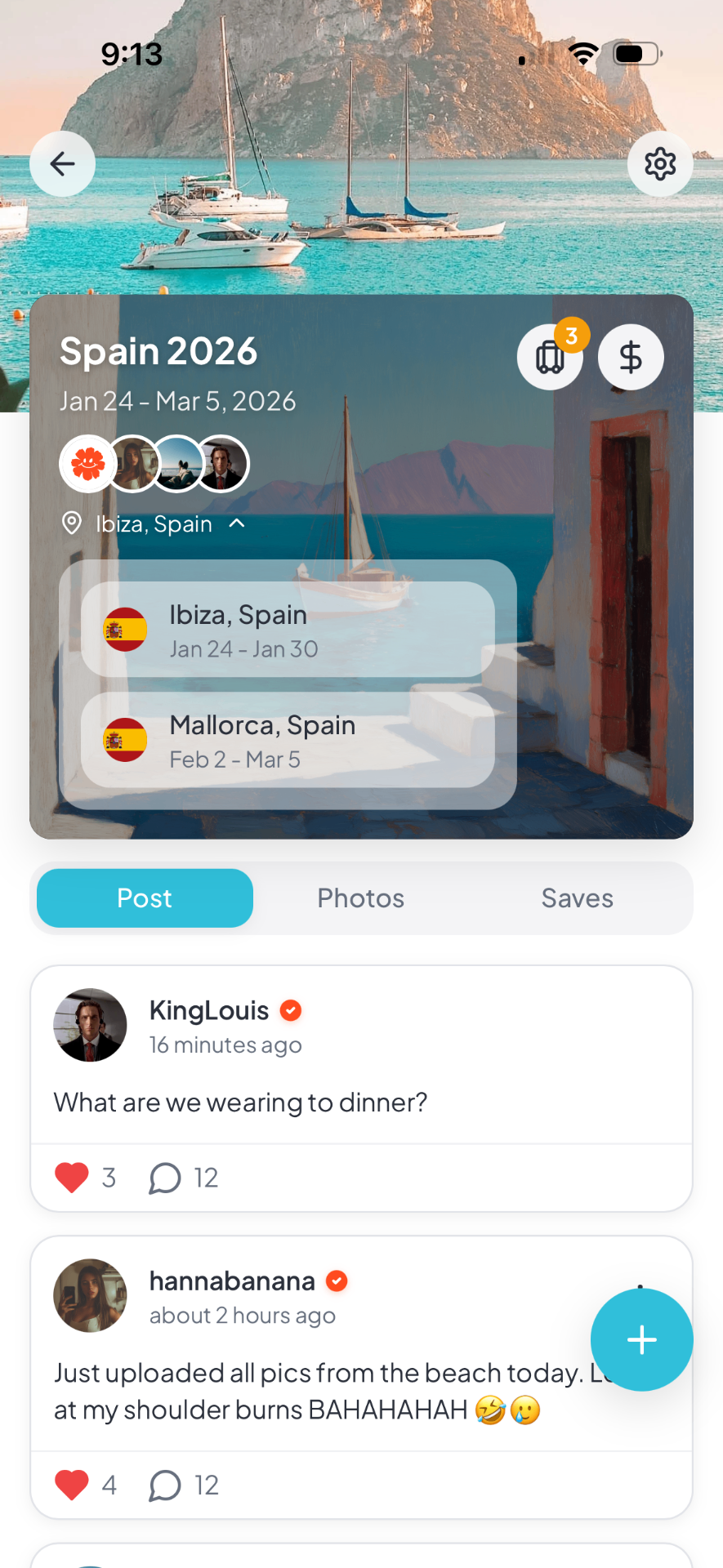
Big groups need structured communication or nothing gets decided. The default group chat becomes a mess of side conversations, missed messages, and decision paralysis. ### The Hub-and-Spoke Model Designate a central coordinator who filters information to the broader group. Sub-groups handle specific domains—flights, accommodation, activities—and report to the coordinator. The full group only sees finalized decisions, not every debate. This prevents the chaos of twelve people weighing in on every minor choice. ### The Channel Strategy Use different channels for different purposes. One channel for urgent announcements, another for general chat, another for logistics. This lets people mute what they do not need while staying accessible for what matters. The logistics channel should be low-volume, high-signal only. ### The Meeting Rhythm Schedule brief video calls at key decision points. Real-time conversation resolves what would take days in asynchronous chat. Record decisions in writing immediately after. Using a [group trip planning](/features/group-trip-planning) tool with built-in communication keeps everything centralized and searchable.
The Decision Hierarchy
Not every choice needs group consensus. Create clear authority levels to keep decisions moving. ### The Three-Tier System Tier one decisions—destination, dates, budget ceiling—require full group input. Tier two—accommodation choice, major activities—need majority approval. Tier three—daily restaurants, minor timing—are delegated to whoever is leading that day. This prevents twelve people from debating lunch options. ### The Veto Rule Anyone can veto a tier two or three decision, but they must propose an alternative. This prevents obstruction without accountability. If no alternative is offered, the original decision stands. The veto is a tool for genuine concerns, not preference expression. ### The Decision Documentation Every decision gets written down in a shared space. Who decided what, when, and why. This prevents the endless revisiting of settled questions. When someone asks "wait, why are we staying there?" the answer is documented and accessible. Packed works best when the group needs one shared place to keep decisions, saved places, and trip details together. A page like [group trip planning](/features/group-trip-planning) helps when you want location-specific context before finalizing plans.
The Responsibility Distribution
One person cannot coordinate a big group alone. Distribute roles to match skills and maintain momentum. ### The Role Assignment Matrix Assign specific, bounded responsibilities: logistics coordinator, accommodation lead, activity researcher, finance tracker, communication manager. Each role has clear deliverables and deadlines. The matrix is visible to everyone so people know who to ask about what. ### The Backup System Every role has a designated backup who shadows the primary. If someone drops out or gets overwhelmed, the backup takes over without losing progress. This redundancy is essential for big groups where individual availability fluctuates. ### The Accountability Check-ins Weekly standups where each role reports progress and blockers. Five minutes per person, no rambling. Blockers get addressed immediately or escalated. This rhythm prevents tasks from stalling silently while everyone assumes someone else is handling it. If logistics are getting messy, [How to Manage Large Group Trips](/blog/how-to-manage-large-group-trips) is worth using early.
The Version Control Problem
Big groups create version chaos—multiple itineraries, conflicting spreadsheets, outdated information circulating simultaneously. ### The Single Source of Truth Designate one document, one calendar, one map as canonical. Everything else is draft or reference. The canonical source gets updated immediately when decisions change. Everyone knows where to look for the current plan. ### The Change Log Maintain a simple log of what changed and when. "March 10: Moved hotel booking from Zone A to Zone B." This prevents confusion when people reference old versions. The log lives at the top of the canonical document. ### The Notification Protocol When something changes, notify the affected people directly. Do not rely on them checking the document. A quick message—"Heads up, dinner location changed, check the itinerary"—prevents people from showing up at the wrong place. Using a [shared itinerary](/features/shared-itinerary) tool with real-time updates solves this automatically. For group travel, that is often the difference between a clear plan and scattered updates.
The Subgroup Strategy
Big groups rarely stay together all the time. Plan for natural fragmentation. ### The Interest-Based Splitting Identify subgroups by interest—hikers versus museum people, early risers versus night owls. Plan some activities together, some separately. This gives everyone their preferred experience without forcing compromise on every activity. ### The Buddy System Pair people up for safety and accountability. Each person has someone who knows their whereabouts and will notice if they are missing. This is especially important in unfamiliar cities where getting separated is easy. ### The Reunion Points Schedule regular reconvergence—meals work well. Everyone does their own thing during the day, gathers for dinner to share stories. This maintains group cohesion without requiring constant togetherness. For a related angle, [How to Organize Travel with Big Friend Groups](/blog/how-to-organize-travel-with-big-friend-groups) is a useful follow-up read.
The Momentum Maintenance
Big groups lose momentum easily. One delay cascades into indefinite postponement. ### The Deadline Culture Every decision has a deadline. "We need hotel confirmation by Friday." After the deadline, the decision gets made with whoever has responded. Late responders accept the group choice or opt out. This prevents the indefinite "still thinking about it" stall. ### The Default Action When the group cannot decide, there is a default. Cannot agree on a restaurant? Default to the place closest to the hotel. Deadlocked on an activity? Skip it and explore. Defaults keep the trip moving when consensus is impossible. ### The Escalation Path When a decision stalls, there is a clear escalation. First, the relevant role owner decides. If they cannot, the central coordinator decides. If still stuck, put it to a quick vote. The path is clear so nothing stays in limbo.
The Pre-Trip Alignment
Big groups need more pre-trip preparation to function smoothly on the ground. ### The Expectation Document Write down the trip type, pace, budget expectations, and flexibility level. Everyone reads and acknowledges before booking. This surfaces mismatches early. The adventure seeker and the relaxation lover can either compromise or acknowledge they want different trips. ### The Role Confirmation One week before departure, confirm everyone knows their responsibilities. The finance tracker has the expense system ready. The logistics coordinator has all confirmation numbers. The communication manager has the group chat set up. No surprises. ### The Emergency Protocol Establish how the group handles separation, illness, or lost documents. Who has copies of passports? Where is the meeting point if the group gets split? What is the protocol if someone needs to leave early? Planning for problems prevents panic when they occur.
Plan your next trip with Packed
Group itineraries, expense splitting, and 700K+ places to discover in one app.