How to Coordinate Group Travel Decisions
Get a clearer way to how to coordinate group travel decisions with practical steps that reduce planning friction.

Louis Bloom
Author
Why Group Travel Decisions Stall
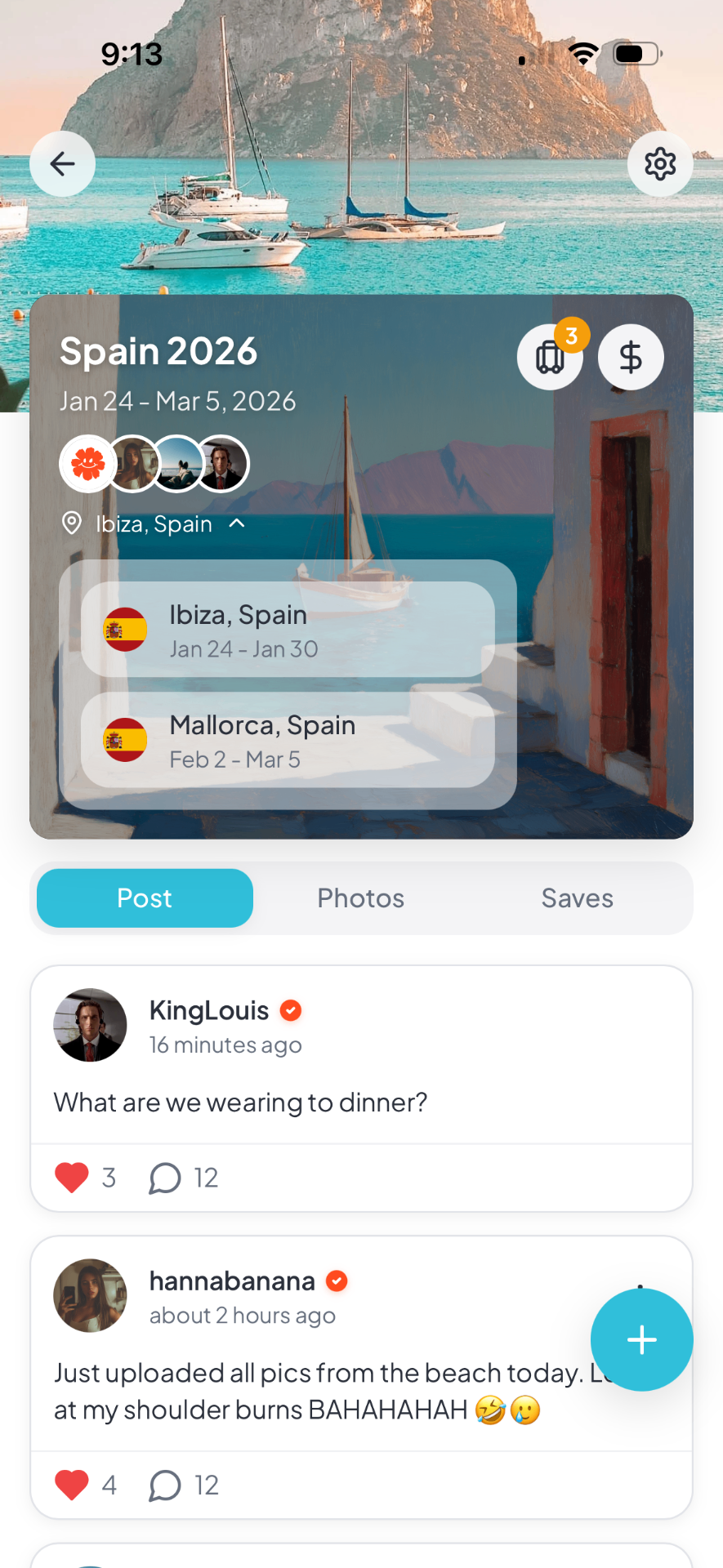
Group travel planning dies in decision paralysis. Too many opinions, too many options, and no clear process for final choices. Everyone has a destination they want, a date that works better, an activity they heard about. Without structure, discussions circle indefinitely and nothing gets decided. ### The Opinion Multiplication Problem Four travelers means four sets of preferences. Each person has heard about a different destination, has different date constraints, wants different activities. The conversation expands to include every possibility rather than narrowing to the best choice. More input creates less clarity. ### The Fear of Commitment Groups avoid final decisions because choosing means excluding alternatives. If we pick Tokyo, we are not going to Paris. If we go in June, we miss the July festival. This fear of missing out keeps options open indefinitely, but open options mean no trip gets planned. ### The Lack of Decision Rights When everyone has input but no one has authority, decisions stall. Groups default to consensus, which sounds fair but practically means the most resistant person controls the outcome. Without clear decision rights, the loudest or most stubborn voice wins, not the best option. A page like [group trip planning](/features/group-trip-planning) helps when you want location-specific context before finalizing plans.
Narrow Options Before Deciding
Good decisions require limited choices. Start by reducing the possibility space. ### The Constraint Method Apply hard constraints first. Budget maximum, available dates, trip duration, accessibility needs. Constraints eliminate options quickly. If your budget is two thousand dollars per person, Switzerland is off the table. If you only have five days, intercontinental travel is impractical. Constraints are your friend. ### The Nomination Round Everyone proposes one option with a one-sentence pitch. No seconding, no debate—just nominations. This surfaces ideas without immediately comparing them. The group sees the range of possibilities without getting stuck evaluating each one. ### The Filter Pass Apply constraints to nominations. Wrong dates? Eliminated. Over budget? Eliminated. Does not match the trip type? Eliminated. This usually narrows five or six nominations to two or three viable options. Two or three options can be decided. Six cannot. Packed fits this kind of planning when the group needs one place to compare options and settle on choices. If logistics are getting messy, [How to Coordinate Travel Plans With Friends](/blog/how-to-coordinate-travel-plans-with-friends) is worth using early.
Choose Your Decision Method
Different decisions need different methods. Match the approach to the stakes. ### The Three-Tier System Tier one decisions—destination, dates, budget ceiling—affect everyone and require full group input. Tier two—accommodation choice, major activities—need majority approval but not unanimity. Tier three—daily restaurants, minor timing—are delegated to whoever is leading that day. Not everything needs group consensus. ### When to Vote Use voting for tier one and tier two decisions. Simple majority wins. If tied, the trip organizer breaks it. Voting creates clear outcomes and prevents the indefinite "let us think about it" stall. Document the vote result immediately so no one reopens the decision later. ### When to Assign a Decision Owner For tier three decisions and time-sensitive choices, assign a decision owner. They choose without group debate. The daily leader picks restaurants. The accommodation person selects the hotel. The group provides constraints and veto power, not micromanagement. Using a [group trip planning](/features/group-trip-planning) tool with voting features helps groups decide between options without endless debate.
Make Decisions Faster
Speed matters. The longer decisions take, the more likely they are to stall entirely. ### The Proposal Format When someone needs a decision, they present three options: their recommendation, an alternative, and a fallback. This frames the choice rather than leaving it open-ended. "I recommend the downtown hotel. Alternative is the place near the park. Fallback is two smaller places." Three options, not ten. ### The Decision Deadline Every proposal gets a response deadline. After the deadline, the proposer makes the call. This prevents the indefinite "still thinking about it" stall. Deadlines force responses. Responses enable decisions. ### The Default Action When the group cannot decide, there is a default. Cannot agree on a restaurant? Default to the place closest to the hotel. Deadlocked on an activity? Skip it and explore. Defaults keep the trip moving when consensus is impossible. For group planning, that makes it easier to move from discussion to actual decisions. For a related angle, [Complete Guide to Planning a Trip With Friends](/blog/complete-guide-to-planning-a-trip-with-friends) is a useful follow-up read.
Reduce Opinion Friction
Not every opinion needs equal weight. Structure input to get useful feedback. ### The Informed Advocate Instead of asking "what do you think?" ask someone to advocate for a specific option. Research it, present pros and cons, make a case. This produces better input than vague preferences. The person who researched Paris can explain why it works better than the person who just heard about it. ### The Veto Rule Anyone can veto a decision, but they must propose an alternative. This prevents obstruction without accountability. If no alternative is offered, the original decision stands. The veto is for genuine concerns, not preference expression. ### The Decision Documentation Every decision gets written down. Who decided what, when, and why. This prevents the endless revisiting of settled questions. When someone asks "wait, why are we staying there?" the answer is documented and accessible.
Handle Disagreement Productively
Disagreement is inevitable. Handle it without derailing the process. ### The Dissent Log When someone disagrees with a decision, document their concern without reopening the choice. "Noted: Sarah prefers Barcelona for the architecture, group chose Lisbon for the budget." This acknowledges input without requiring the group to redecide. ### The Sub-Group Option When the group is split on an activity, split the group. Some go to the museum, others to the market, reconvene for dinner. This lets people have their preferred experience without forcing compromise on every decision. ### The Escalation Path When a decision stalls, there is a clear escalation. First, the relevant role owner decides. If they cannot, the trip organizer decides. If still stuck, put it to a quick vote. The path is clear so nothing stays in limbo.
Execute Decisions Quickly
Decisions are only useful when acted upon. Move fast from choice to action. ### Book Immediately Once a decision is made, book it immediately if possible. Do not wait for everyone to confirm again. The delay between decision and booking is when second-guessing happens and decisions get reopened. Book the hotel, buy the flights, make the reservation. ### Communicate Clearly Announce decisions clearly to the full group. "Decision made: We are staying at the Downtown Hotel, June 15-18. Link to booking in the shared doc." Everyone knows what was decided and what happens next. ### The Pivot Protocol Establish upfront how the group handles plan changes. Who has authority to modify decisions? How do you communicate changes? Having a protocol prevents chaos when circumstances force adjustments. Using a [shared itinerary](/features/shared-itinerary) tool with real-time updates keeps everyone aligned when plans shift.
Plan your next trip with Packed
Group itineraries, expense splitting, and 700K+ places to discover in one app.