How to Vote on Travel Destinations With Friends
Get a clearer way to how to vote on travel destinations with friends with practical steps that reduce planning friction.

Louis Bloom
Author
Why Destination Decisions Stall
Picking a destination with friends sounds fun until it is not. Everyone has a place they have always wanted to go, a deal they saw, a recommendation from a coworker. The group chat fills with possibilities but no progress. Too many opinions, too many options, and no clear process for final choices. ### The Opinion Multiplication Problem Four friends means four dream destinations, four budget assumptions, four activity preferences. Each person lobbies for their choice. The conversation expands rather than narrows. Tokyo sounds amazing until someone mentions the cost. Bali looks perfect until someone points out the flight time. Without constraints, every option stays on the table indefinitely. ### The Fear of Excluding Options Groups avoid committing because choosing means eliminating. If we pick Portugal, we are not going to Greece this year. If we choose mountains, we miss the beach. This fear of missing out keeps options open, but open options mean no trip gets booked. The destination remains undecided while prices rise and availability shrinks. ### The Lack of Decision Rights When everyone has input but no one has authority, decisions stall. Groups default to consensus, which practically means the most resistant person controls the outcome. Without clear decision rights, the loudest voice or the most stubborn holdout wins, not the best destination. A page like [group trip planning](/features/group-trip-planning) helps when you want location-specific context before finalizing plans.
Narrow Options Before Voting
Good votes require limited choices. Start by reducing the possibility space so the vote actually matters. ### Apply Hard Constraints First Budget maximum, available dates, trip duration, accessibility needs. Constraints eliminate options quickly. If your budget is fifteen hundred dollars per person, Switzerland is off the table. If you only have four days, intercontinental travel is impractical. Constraints are your friend—they make the decision easier, not harder. ### The Nomination Round Everyone proposes one destination with a one-sentence pitch. No seconding, no debate—just nominations. This surfaces ideas without immediately comparing them. The group sees the range of possibilities without getting stuck evaluating each one. Usually this produces five or six viable options. ### The Filter Pass Apply constraints to nominations. Wrong season? Eliminated. Over budget? Eliminated. Does not match the trip type? Eliminated. This usually narrows five or six nominations to two or three viable destinations. Two or three options can be voted on. Six cannot. Packed works best when the group needs one shared place to keep decisions, saved places, and trip details together. If logistics are getting messy, [places database](/features/places-database) is worth using early.
Choose Your Voting Method
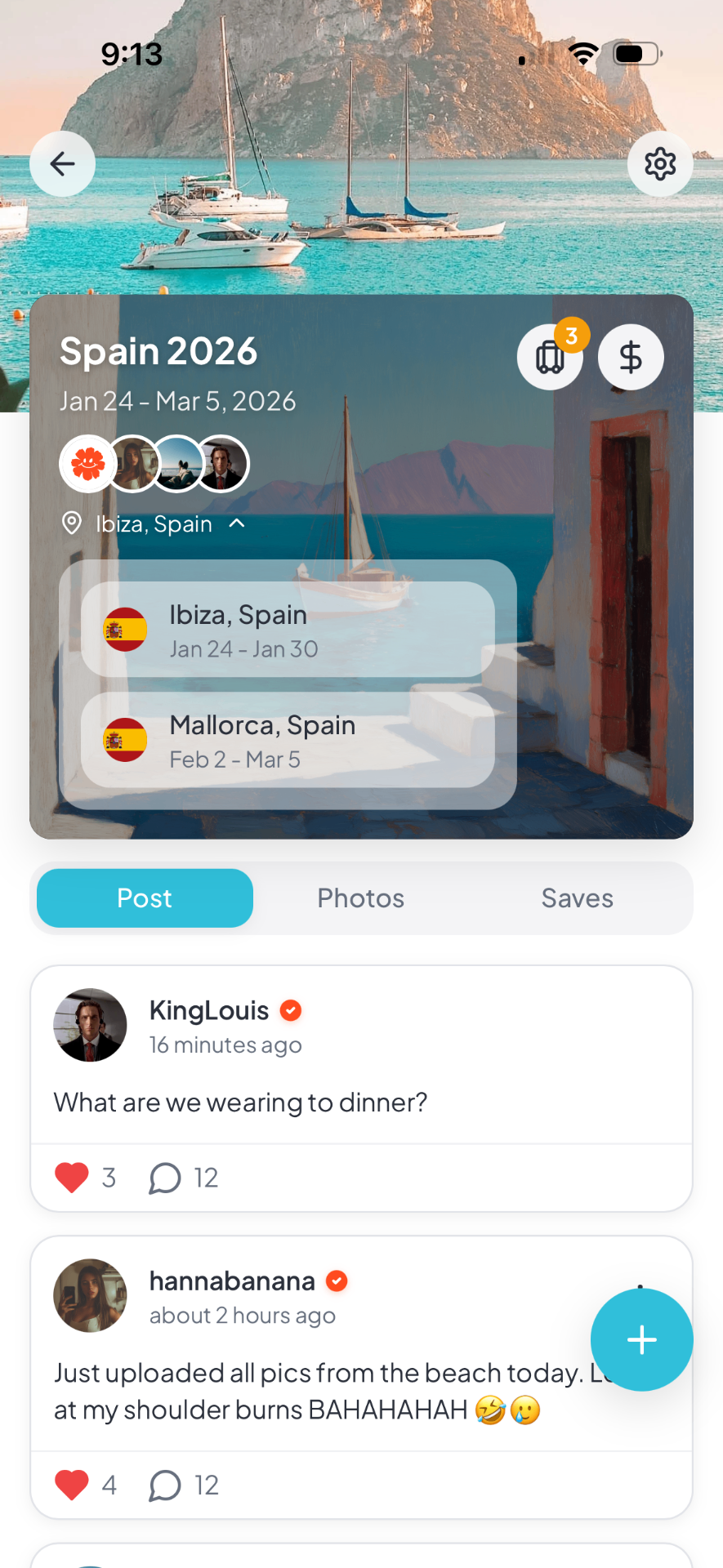
Different group dynamics need different voting approaches. Match the method to your situation. ### Simple Majority Vote Everyone votes for one destination. The option with the most votes wins. Ties get broken by the trip organizer or a quick revote between the tied options. This works well for groups that trust each other and can accept not getting their first choice. ### Ranked Choice Voting Everyone ranks the finalists in order of preference. First choices get tallied. If no option has a majority, the last-place option is eliminated and those votes go to their second choice. This continues until one destination has majority support. Ranked choice works when the group wants to find the option most people can live with. ### The Delegate Method Sometimes voting is not the right approach. If one person has done the research, knows the budgets, and understands the constraints, let them decide. The group provides input and veto power, but the final call rests with the person who has done the work. Using a [group trip planning](/features/group-trip-planning) tool with built-in voting helps friends narrow destinations without endless debate.
Make the Vote Count
A vote is only useful if it produces a clear, actionable decision. ### Set the Voting Window Give everyone a specific timeframe to vote. Twenty-four hours works for most groups. The deadline forces a decision and prevents the indefinite "still thinking about it" stall. After the deadline, the result stands. ### Document the Result Immediately When the vote concludes, announce the winner clearly. "The vote is complete. We are going to Lisbon, June 15-19." Document the decision in your shared planning space so no one forgets or reopens the question later. ### Move to Booking Quickly The gap between decision and booking is when second-guessing happens. Start booking flights and accommodation as soon as the destination is chosen. Once money is committed, the decision is real and the planning moves forward. For group travel, that is often the difference between a clear plan and scattered updates. For a related angle, [Complete Guide to Planning a Trip With Friends](/blog/complete-guide-to-planning-a-trip-with-friends) is a useful follow-up read.
Handle Disagreement Productively
Not everyone will get their first choice. Handle dissent without derailing the process. ### Acknowledge the Dissent When someone is disappointed, acknowledge it without reopening the vote. "I know you wanted Japan. Lisbon won the vote. Let us plan an amazing trip there and maybe Japan next year." Validation goes a long way. ### The Veto Rule Anyone can veto a destination, but they must propose a viable alternative and convince the group. This prevents obstruction without accountability. If no alternative is offered, the vote stands. ### Plan the Next Trip Sometimes the best solution is promising to visit the losing destination next time. "Lisbon this year, Japan next year." This gives the disappointed person something to look forward to and reduces their resistance to the current choice.
When Not to Vote
Voting is not always the right approach. Know when to use other decision methods. ### The Expert Decides If one person has traveled extensively, speaks the language, or has researched destinations deeply, let them choose. The group provides constraints and preferences, but the expert makes the final call. This works when expertise matters more than preference. ### The Host Decides If someone is organizing the trip, doing the research, and managing the logistics, they get extra weight in the decision. The group provides input, but the person doing the work gets the final say. This prevents the organizer from burning out while trying to satisfy everyone. ### The Rotating Choice For recurring friend trips, rotate who chooses the destination. This year Sarah picks, next year Marcus picks. Everyone gets their turn, and the group experiences variety. This builds fairness over time rather than trying to achieve it in every single trip.
Execute the Decision
Once the destination is chosen, shift from deciding to doing. ### Book Immediately Start with the big items that have limited availability. Flights and accommodation first. Activities and restaurants later. The sooner you book, the better your options and prices. ### Communicate Clearly Make sure everyone knows what was decided and what happens next. Send a summary message with the destination, dates, and immediate action items. Clarity prevents confusion and keeps momentum going. ### Start Planning Details With the destination locked, shift to the fun part—planning what you will do there. Research neighborhoods, restaurants, activities. The decision energy becomes planning energy. Using a [complete guide to planning a trip with friends](/blog/complete-guide-to-planning-a-trip-with-friends) helps keep the group organized as you move from destination selection to detailed planning.
Plan your next trip with Packed
Group itineraries, expense splitting, and 700K+ places to discover in one app.