How to Coordinate Travel Plans With Friends
Get a clearer way to how to coordinate travel plans with friends with practical steps that reduce planning friction.

Louis Bloom
Author
The Coordination Challenge
Coordinating travel plans with friends sounds simple until you try it. Multiple schedules, conflicting preferences, and scattered communication quickly turn excitement into frustration. The problem is not lack of enthusiasm—it is lack of structure. Without clear systems, group planning devolves into endless group chat threads, missed details, and decisions that never get made. ### Why Group Planning Fails Most friend groups rely on informal coordination. Someone suggests a trip, people express interest, and then... nothing happens. Or worse, everyone has different understandings of what was decided. The destination changes three times, dates shift weekly, and eventually the trip dies from exhaustion. ### The Cost of Poor Coordination Bad coordination does not just delay trips—it damages friendships. Resentment builds when one person does all the work. Frustration grows when decisions keep getting reopened. Money disputes erupt when expenses were not tracked properly. The trip might happen, but the relationships suffer. ### The Solution: Structured Coordination Successful group coordination requires intentional systems. Not bureaucracy—just clear processes for communication, decision-making, and documentation. The goal is keeping everyone aligned without requiring constant meetings or overwhelming anyone with responsibility. A page like [group trip planning](/features/group-trip-planning) helps when you want location-specific context before finalizing plans.
Establish a Single Communication Hub
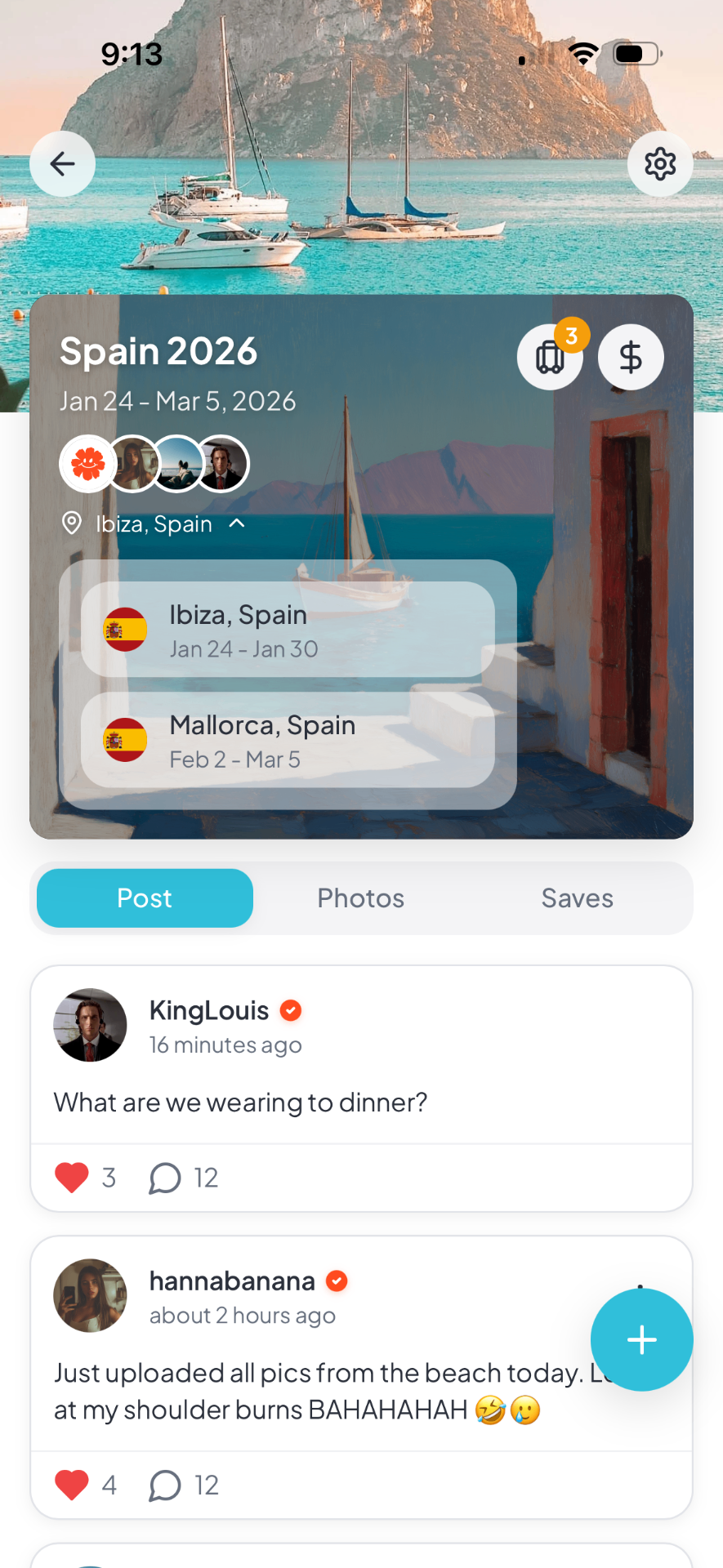
Scattered conversations kill coordination. Consolidate everything in one place. ### Choose Your Platform Pick one primary communication channel and stick to it. Group chat works for small groups. For larger groups or complex trips, consider a dedicated planning tool. The key is having one place where everyone knows to look for updates. ### Create Channel Discipline Use threads or separate channels for different topics. One for logistics, one for general chat, one for urgent announcements. This prevents important details from getting buried in casual conversation. The logistics channel should be signal-only—no memes, no side conversations. ### Document Decisions Immediately When a decision gets made, post it in the hub immediately. "Decision: We are going to Lisbon, June 15-22." This creates a record and prevents the "wait, what did we decide?" problem. Using a [group trip planning](/features/group-trip-planning) tool with built-in decision tracking keeps everything centralized and searchable. Packed works best when the group needs one shared place to keep decisions, saved places, and trip details together.
Create a Shared Planning Timeline
Coordination requires knowing what happens when. Build a timeline everyone can see. ### The Milestone Approach Break planning into milestones with clear deadlines. Interest check by March 1. Destination vote by March 15. Flight booking by April 1. Accommodation booked by April 15. Milestones create urgency and prevent the indefinite "we will figure it out later" stall. ### Visual Calendars Use a shared calendar showing key dates: when deposits are due, when bookings need to happen, when final payments are required. Everyone sees the same timeline. No one misses deadlines because they "did not know it was coming up." ### Buffer for Delays Build buffer time between milestones. If flight booking takes longer than expected, you still have time to secure accommodation. Rigid back-to-back deadlines create cascade failures when one step slips. If logistics are getting messy, [How to Plan a Group Trip Step by Step](/blog/how-to-plan-a-group-trip-step-by-step) is worth using early.
Distribute Responsibility Clearly
One person cannot coordinate everything. Spread the work to match skills. ### The Role Assignment Assign specific, bounded responsibilities: flights, accommodation, activities, finances. Each person owns their domain completely. They research options, make recommendations, and execute decisions. The group provides input and veto power, not micromanagement. ### The Backup System Every primary role has a backup who shadows the work. If someone gets busy or drops out, the backup takes over without losing progress. This redundancy is essential for maintaining momentum when life intervenes. ### Regular Check-Ins Schedule brief status updates where each role reports progress and blockers. Weekly works well. Five minutes per person, no rambling. Blockers get addressed immediately or escalated. This rhythm prevents tasks from stalling silently. For group travel, that is often the difference between a clear plan and scattered updates. For a related angle, [Complete Guide to Planning a Trip With Friends](/blog/complete-guide-to-planning-a-trip-with-friends) is a useful follow-up read.
Make Decisions Efficiently
Indecision is the enemy of coordination. Create clear decision processes. ### The Three-Tier System Tier one decisions—destination, dates, budget ceiling—require full group input. Tier two—accommodation choice, major activities—need majority approval. Tier three—daily restaurants, minor timing—are delegated to whoever is leading that day. Not everything needs group consensus. ### The Proposal Format When someone needs a decision, they present a proposal with three options: their recommendation, an alternative, and a fallback. This frames the decision rather than leaving it open-ended. "I recommend the Airbnb in the old town. Alternative is the hotel near the station. Fallback is booking two smaller places." ### The Decision Deadline Every proposal gets a response deadline. After the deadline, the proposer makes the call. This prevents the indefinite "still thinking about it" response that stalls planning. Using a [shared itinerary](/features/shared-itinerary) tool with voting features helps groups decide between options without endless debate.
Manage Information Flow
Coordination fails when people have different versions of the plan. Control information flow deliberately. ### The Single Source of Truth Designate one document, one calendar, or one tool as canonical. Everything else is draft or reference. The canonical source gets updated immediately when decisions change. Everyone knows where to look for the current plan. ### The Change Protocol When something changes, follow a protocol: update the canonical source, then notify affected people directly. Do not rely on them checking the document. A quick message—"Heads up, hotel changed, check the doc"—prevents people from showing up at the wrong place. ### Version Control Maintain a simple change log. "March 10: Moved hotel from Zone A to Zone B." This prevents confusion when people reference old versions. The log lives at the top of the canonical document where everyone sees it.
Handle Money Transparently
Financial coordination is where friend trips often break down. Address it directly. ### The Shared Expense Rule Decide upfront what counts as shared versus individual. Group dinners and shared transport are usually shared. Individual snacks and souvenirs are not. Write this down so expectations match. ### Real-Time Tracking Use a shared expense tracker from day one. One person pays, logs it immediately, splits get calculated automatically. Waiting until the end creates stress and often inaccurate math. Everyone sees the running total. ### Regular Settlements Settle shared expenses every few days during the trip, not at the end. Small, frequent settlements feel manageable. One massive bill at departure feels overwhelming and can strain friendships.
Build Flexibility Into the Plan
Rigid coordination breaks under pressure. Build adaptability into your systems. ### The Pivot Protocol Establish upfront how the group handles plan changes. Who has authority to modify the itinerary? How do you communicate changes to everyone? Having a protocol prevents chaos when weather, closures, or group fatigue force adjustments. ### Subgroup Autonomy Allow natural subgroups to form around interests. Hikers versus museum people, early risers versus night owls. Plan some activities together, some separately. This gives everyone their preferred experience without forcing compromise on every decision. ### The Daily Check-In During the trip, brief daily check-ins keep coordination alive. Five minutes over breakfast to confirm the plan, five minutes in the afternoon to adjust evening options. These micro-adjustments prevent the buildup of unspoken frustration.
Plan your next trip with Packed
Group itineraries, expense splitting, and 700K+ places to discover in one app.