How to Plan a Vacation With Multiple People
Practical steps to how to plan a vacation with multiple people without turning the trip into a planning mess. That usually reduces confusion before the trip...

Louis Bloom
Author
The Planning Friction Problem
Planning a vacation with multiple people creates friction that solo travelers never experience. Every decision requires consensus. Every booking needs confirmation. The coordination overhead multiplies with each additional person until the trip feels impossible to organize. ### Why Group Planning Breaks Down The problem is not lack of enthusiasm. Everyone wants to go. The problem is the absence of a workflow that moves the group from idea to confirmed plan. Conversations spiral in group chats. Dates get proposed but never finalized. Someone books flights while others are still debating destinations. ### The Decision Paralysis Trap Large groups struggle with commitment. Every option has supporters and detractors. Without a clear process for making decisions, the group keeps discussing without acting. Momentum dies. The trip either gets canceled or someone takes over and plans it alone, which breeds resentment. ### The Communication Sprawl Problem Planning happens across multiple channels. Ideas surface in person, then move to text threads, then email for bookings, then back to text for updates. Information gets lost. People miss critical updates. The plan exists in fragments across platforms, and nobody has the full picture. It also helps to keep a related guide like [How to Plan a Vacation With Multiple People](/blog/how-to-plan-a-vacation-with-multiple-people) handy while decisions are still moving.
Establish the Core Group Early
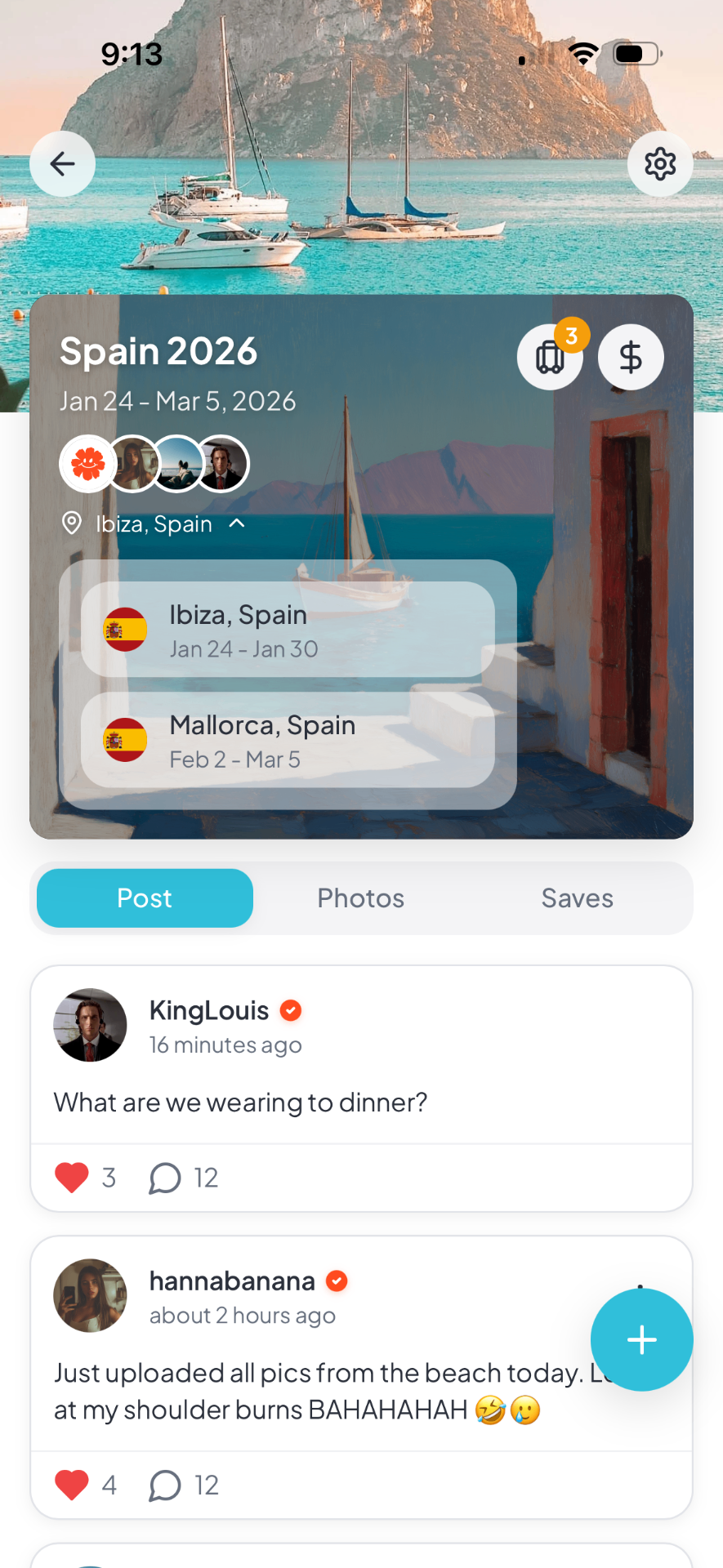
Not everyone who expresses interest will actually commit. Identify the definite travelers before making any decisions. ### The Interest vs Commitment Distinction Separate people who think the trip sounds fun from those who will actually book. Ask directly: are you in if we lock dates by Friday? Vague enthusiasm wastes planning energy. Definite commitments focus your efforts on the right people. ### The Decision-Making Structure Large groups need clear decision rights. Options include: one person decides everything, majority vote on major decisions, or consensus required for big items only. Pick a structure upfront and communicate it clearly. Changing the rules mid-planning causes confusion and conflict. ### The Communication Hub Consolidate all planning into one place. A dedicated [group trip planning](/features/group-trip-planning) tool keeps conversations, decisions, and bookings in one location. When everything lives together, nobody misses updates and the plan stays coherent. Packed is useful when the plan starts spreading across messages, notes, and screenshots because it keeps the working version in one place. See [How to Plan a Vacation With Multiple People](/blog/how-to-plan-a-vacation-with-multiple-people) for a related part of this workflow.
Lock the Foundation First
Three elements must be fixed before any other planning: who is going, when you are going, and where you are going. Everything else builds on these. ### The Who and When Sequence Confirm the core group first. Then find dates that work for everyone. Use a scheduling tool or simple poll to identify windows where all committed travelers are available. Do not book anything until dates are confirmed for the entire group. ### The Where Decision Framework Destination selection works best with constraints. Budget limits eliminate expensive options. Activity preferences narrow the field. Seasonal considerations rule out poor timing. Apply filters systematically rather than debating open-ended possibilities. ### The Booking Commitment Point Once dates and destination are set, establish a booking deadline. Everyone books their transport by a specific date or the trip is off. This forces real commitment and prevents indefinite planning. People who miss the deadline without communication are not actually coming.
Divide Planning Responsibilities
One person doing everything creates a bottleneck. Distributed ownership keeps momentum and builds investment. ### The Research and Recommendation Model Assign specific research tasks to different people. One person finds accommodation options. Another identifies activities. Someone else handles restaurant recommendations. Each person presents their findings to the group for decision, rather than everyone researching everything. ### The Booking Owner System Once decisions are made, assign one person to execute each booking. They research the specific option, handle the transaction, and collect money from the group. Clear ownership prevents duplicate bookings and missed reservations. ### The Documentation Responsibility Someone needs to maintain the master plan. Confirmation numbers, addresses, check-in times, and contact details all live in one document that everyone can access. Tools like Packed help here by keeping itineraries, bookings, and group communication in one place. In practice, that reduces repeated questions and keeps the group aligned on the same trip.
Handle Money Without Awkwardness
Financial discussions destroy friendships if handled poorly. Structure prevents problems. ### The Shared Expense Categories Define what counts as a group expense before spending starts. Accommodation and shared transport are typically split evenly. Meals can be split or paid individually. Activities depend on participation. Write this down and refer to it when questions arise. ### The Payment Collection System Use a payment app for group expenses. One person pays and requests splits immediately. Waiting until the end creates large debts that feel burdensome. Small, frequent settlements keep relationships smooth and accounting simple. ### The Budget Transparency Rule Everyone should know the approximate total cost before committing. Surprises breed resentment. Be upfront about expensive activities or dining plans so people can opt out or budget accordingly. Using [expense splitting tools](/features/expense-splitting) makes shared costs visible and fair.
Build the Itinerary Collaboratively
A good group itinerary balances structure with flexibility. ### The Anchor Activities Approach Identify a few must-do activities that everyone wants. These anchor the itinerary and justify the trip. Schedule them first, then fill gaps with optional activities. This ensures the group experiences what matters most without overscheduling. ### The Free Time Buffer Groups need downtime. Schedule free blocks where people can split up, rest, or pursue individual interests. Constant togetherness exhausts everyone. Planned separation prevents friction and lets people recharge. ### The Daily Check-In Habit Each morning, confirm the day's plan. Verify reservations, check timing, and adjust for energy levels. Plans made weeks ago may not fit the group's current mood. Flexibility within structure keeps everyone happy.
Prepare for the Unexpected
Group trips face more variables than solo travel. Plan for contingencies. ### The Backup Plan Protocol Identify alternatives for weather-dependent activities. Have a rainy day option. Know which restaurants accept walk-ins if reservations fall through. Backup plans reduce stress when original plans fail. ### The Separation and Reunion Strategy Groups sometimes need to split. Establish a meeting point and time for reuniting. Everyone should have the accommodation address and a way to contact the group. Getting separated without a plan causes panic. ### The Conflict Resolution Approach Disagreements will happen. Decide upfront how to handle them. Options include: the trip planner decides, majority rules, or separate activities for dissenters. Having a process prevents arguments from derailing the trip.
Plan your next trip with Packed
Group itineraries, expense splitting, and 700K+ places to discover in one app.