How to Track Vacation Expenses
Learn how to track vacation expenses effectively. Tips for solo budgeting, group expense splitting, and tools to simplify travel money management.

Louis Bloom
Author
Why Tracking Vacation Expenses Matters
Most travelers underestimate their spending by thirty percent or more. Tracking expenses in real time prevents the shock of an empty bank account and the guilt of overspending. ### The Memory Problem Human memory is unreliable for spending. That morning coffee, the metro ticket, the street snack—each seems minor but accumulates fast. By evening, you have forgotten half of what you spent. Tracking as you go captures the full picture. ### The Budget Erosion Effect Small purchases erode your budget invisibly. A few extra euros here and there feel insignificant in the moment. Over a week, they consume your entire buffer. Tracking reveals these patterns before they become problems. ### Group Travel Complexity When traveling with friends, expense tracking becomes essential for fairness. Someone pays for dinner, another covers museum tickets, someone else buys the group metro passes. Without tracking, these debts become confusing and potentially contentious. Using a shared expense tracker keeps everyone accountable and eliminates awkward calculations at trip's end. For destination-specific planning, keeping notes tied to a page like [Rome destination guide](/destinations/rome) makes the day easier to structure.
The Daily Tracking Habit
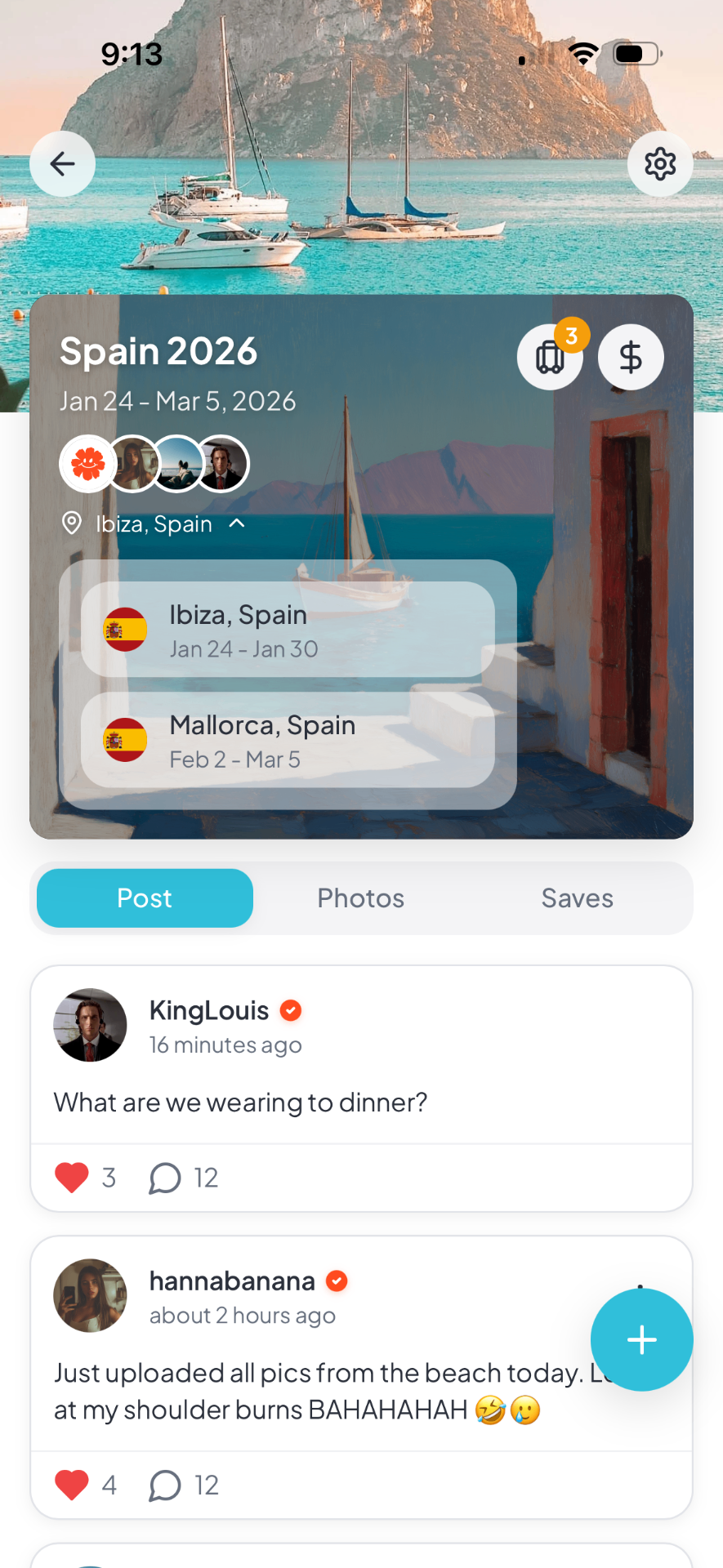
Consistency matters more than perfection. A simple daily habit prevents the overwhelming task of reconstructing spending later. ### The Five-Minute Evening Review Spend five minutes each evening noting what you spent. This is not about guilt—it is about awareness. Note the amount, category, and brief description. If you are traveling in [Rome](/destinations/rome), this might include gelato, museum entry, and dinner in Trastevere. ### Categorizing Your Spending Separate expenses into categories: accommodation, food, transportation, activities, and miscellaneous. This reveals patterns. You might discover you are spending twice as much on coffee as expected, or that transportation is eating your budget more than anticipated. ### Receipt Management Keep receipts for significant purchases and accommodation. For small cash purchases, a quick note suffices. Photograph receipts immediately in case you lose the paper. When tracking becomes cumbersome during active travel, switching to a dedicated expense tracking app like Packed simplifies the process without losing accuracy. Packed is useful here because shared trip expenses can be tracked in one place and split evenly across the group without messy manual math.
Tracking Methods Compared
Different travelers need different approaches. Choose what fits your style and trip complexity. ### The Notebook Method A simple pocket notebook works for solo travelers who prefer analog. Write each purchase immediately. No battery concerns, no app learning curve. The downside is manual calculations and no backup if you lose the notebook. ### Spreadsheet Tracking Spreadsheets offer powerful categorization and automatic calculations. They work well for pre-trip budgeting and post-trip analysis. During active travel, they are cumbersome on phones and require internet access for cloud syncing. ### Dedicated Expense Apps Apps designed for travel expenses offer the best of both worlds. They handle currency conversion automatically, categorize spending, and generate reports. For group travel, they split costs fairly and track who owes what. The key is choosing an app you will actually use consistently. When coordination starts getting messy, [Istanbul destination guide](/destinations/istanbul) gives the group one clearer place to work from.
Group Expense Splitting Strategies
Splitting costs with friends requires systems that feel fair and prevent resentment. ### The Even Split vs. Itemized Split Even splits work for shared accommodation and group activities where everyone participates equally. Itemized splits make sense for meals where some people order drinks and others do not, or when dietary restrictions create price differences. ### The Shared Pot Method Everyone contributes an equal amount to a shared fund at the trip's start. Use this for group meals, transit, and activities. Replenish when it runs low. This eliminates constant calculations but requires trust and clear communication about what qualifies as a group expense. ### Real-Time vs. Post-Trip Settlement Settling up daily prevents large debts from accumulating and becoming awkward. However, daily settlement interrupts the trip flow. Find a rhythm that works for your group—perhaps every two to three days, or whenever someone feels they are significantly ahead or behind. If one person is not part of a specific expense, Packed also lets the group adjust who pays instead of forcing an equal split every time. A related guide such as [Tokyo destination guide](/destinations/tokyo) can also help if you want a more detailed planning workflow.
Handling Currency and Conversion
International travel adds currency complexity that domestic trips avoid. ### The Mental Math Trap Trying to convert every purchase to your home currency is exhausting and often inaccurate. Instead, learn the rough conversion rate and focus on whether a price feels reasonable locally. In [Tokyo](/destinations/tokyo), knowing that 1000 yen is roughly seven dollars helps you gauge if a meal is expensive. ### Exchange Rate Timing Exchange rates fluctuate. For long trips, your effective rate averages out. Do not obsess over timing small exchanges. For large purchases, a quick check of current rates helps you choose between cash and card. ### Card vs. Cash Tracking Cards automatically record transactions, making tracking easier. Cash requires manual logging. In places like [Istanbul](/destinations/istanbul), where cash is still common in smaller establishments, carry a small notebook or use your phone to log cash expenses immediately.
Budget Adjustments on the Fly
Tracking only helps if you act on the information. Be willing to adjust your spending based on what the data shows. ### The Mid-Trip Review Halfway through your trip, compare actual spending to your budget. If you are over, identify categories where you can cut back. If you are under, you have room for a splurge. This check-in prevents surprises at trip's end. ### Category Shifting Overspending in one category does not mean trip failure. Shift money from categories where you are under budget. If restaurants are costing more than expected but you are spending less on shopping, reallocate mentally. ### Emergency Buffer Protection Always keep an emergency buffer untouchable until actual emergencies. This is not for extra souvenirs or nicer dinners—it is for missed flights, medical needs, or accommodation problems. Track this buffer separately and protect it.
Post-Trip Analysis
The value of tracking extends beyond the current trip. Review your data to improve future travel planning. ### The Reality Check Compare your pre-trip budget estimates to actual spending. Most people underestimate food and transportation while overestimating activities. Use this knowledge to budget more accurately next time. ### Identifying Patterns Notice which categories consumed your budget. Did you spend more on taxis than expected? Did street food save money without sacrificing experience? These insights shape better decisions on future trips. ### Sharing Lessons If you tracked group expenses, share the final breakdown with everyone. Transparency prevents lingering doubts about fairness. Discuss what worked and what did not for future group trips.
FAQ
Common questions about tracking vacation expenses effectively.
Frequently asked questions
**What is the easiest way to track vacation expenses?** Use a dedicated travel expense app that handles currency conversion and categorization automatically. For simple trips, a notes app on your phone works. The key is consistency—enter expenses immediately rather than trying to remember them later. **How do you split expenses fairly when traveling with friends?** Use an expense tracking app to log shared costs as they happen. For meals, split by consumption rather than equally if orders vary significantly. For accommodation and group activities, equal splits usually make sense. Settle up periodically rather than waiting until the end of the trip. **Should you track every small purchase on vacation?** Track everything for the first few days to understand your spending patterns. Once you have a sense of daily costs, you can track only significant purchases. The goal is awareness, not accounting perfection. **How do you handle different currencies when tracking expenses?** Use an app that converts currencies automatically. If tracking manually, note the local amount and convert to your home currency at a rough fixed rate for simplicity. Do not obsess over exact exchange rates for small purchases.
Plan your next trip with Packed
Group itineraries, expense splitting, and 700K+ places to discover in one app.