How to Manage Large Group Trips
Learn how to manage large group trips effectively. Tips for coordination, accommodation, decision-making, and keeping big groups organized.

Louis Bloom
Author
Why Large Groups Are Different
Managing ten or more travelers requires fundamentally different approaches than small friend groups. What works for four people fails for fourteen. ### The Coordination Complexity Every decision requires more input, more compromise, and more time. Choosing a restaurant that satisfies four people is manageable. Finding one that works for twelve involves dietary restrictions, budget differences, and location logistics. The complexity scales exponentially, not linearly. ### The Herding Problem Large groups move slowly. Someone always needs a bathroom break, forgot something in their room, or is still texting. A fifteen-minute walk becomes forty minutes. A ten-minute wait for a table becomes thirty. Build this reality into your schedule or face constant frustration. ### The Communication Challenge In small groups, everyone hears every conversation. In large groups, information silos form. Some people miss the plan change, others never heard about the optional activity. Using a centralized group communication tool like [Packed](/features/group-trip-planning) ensures everyone sees the same information without relying on word-of-mouth chains.
Leadership Structure for Large Groups
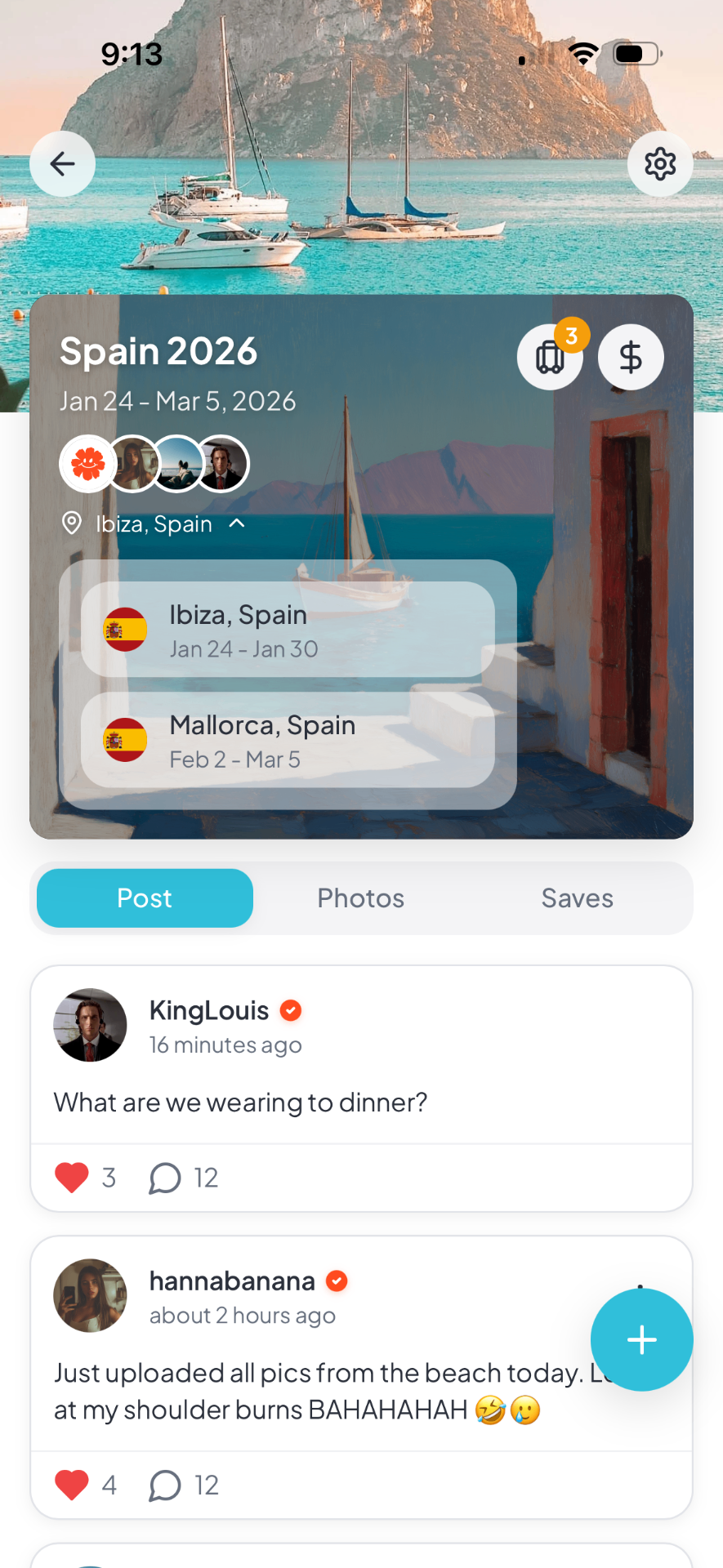
Democracy fails with large groups. You need clear leadership structures that distribute authority without creating dictators. ### The Trip Coordinator Role Designate one person as the overall coordinator. They do not make every decision, but they ensure decisions get made. They handle logistics, communicate with vendors, and keep the group informed. This role requires organization skills and patience, not just enthusiasm. ### Sub-Group Leaders Divide the large group into smaller sub-groups of four to six people. Each sub-group has a leader who handles their immediate needs and reports to the coordinator. This structure prevents the coordinator from being overwhelmed while ensuring everyone has a voice. ### Rotating Responsibility Rotate who leads specific days or activities. One person handles restaurant reservations, another manages transit, a third plans the day trip. This distributes the mental load and prevents resentment toward any single organizer. Packed fits this well because a group trip can act like a private shared page where everyone posts updates, comments, uploads photos, and saves places. For destination-specific planning, keeping notes tied to a page like [London destination guide](/destinations/london) makes the day easier to structure.
Accommodation Strategies for Big Groups
Finding places to sleep twelve or more people requires creativity and advance planning. ### The Villa or House Rental For destination trips, renting a large house or villa often beats multiple hotel rooms. You get common spaces for group meals and hangouts, kitchens for breakfast and snacks, and often better per-person pricing. In [Dubai](/destinations/dubai), this might mean a villa in the Palm Jumeirah area. ### Block Hotel Bookings When house rentals are not available, negotiate block bookings at hotels. Many properties offer group rates for ten or more rooms. You sacrifice common space but gain hotel amenities and professional service. ### The Hub-and-Spoke Model For city trips like [London](/destinations/london), book accommodation in the same neighborhood but not necessarily the same building. This gives everyone options at different price points while keeping the group geographically close for meetups.
Decision-Making at Scale
Large groups cannot make every decision by consensus. You need systems that move forward without unanimity. ### The Opt-Out Model Plan activities and let people opt out. If eight people want the museum and four prefer shopping, split up. Reconvene later. Forcing everyone into the same activity creates resentment and wastes time on endless negotiation. ### Pre-Trip Voting Make major decisions before departure using polls. Everyone votes on neighborhood, accommodation type, and must-see attractions. Once decided, the plan is set. On-trip decisions are limited to execution details. ### The Two-Option Shortcut When decisions must be made on the spot, offer exactly two options. "Italian or Thai for dinner?" gets answered faster than "what does everyone want to eat?" Binary choices reduce analysis paralysis. When the group can vote on activities through a shared itinerary, decisions happen democratically without consuming precious travel time. That gives the group one place to coordinate decisions instead of splitting everything across chats, notes, and separate planning apps. When coordination starts getting messy, [Dubai destination guide](/destinations/dubai) gives the group one clearer place to work from.
Managing Money with Many People
Financial complexity increases dramatically with group size. Clear systems prevent confusion and conflict. ### The Shared Pot System Everyone contributes an equal amount to a shared fund at the trip's start. Use this for group meals, activities, and transportation. Replenish when it runs low. This eliminates constant calculations and IOUs among a dozen people. ### Sub-Group Expense Tracking When the whole group does not participate in every activity, track expenses by sub-group. Each sub-group manages their own shared pot and settles up independently. This prevents the chaos of tracking who participated in what across the entire large group. ### Digital Tracking Tools Manual tracking fails with large groups. Someone pays for dinner, another covers museum tickets for half the group, someone else books the group airport transfer. Without a system, these debts become impossible to untangle. Using a shared expense tracker lets everyone log costs immediately, with the app handling the complex math of who owes whom. A related guide such as [Istanbul destination guide](/destinations/istanbul) can also help if you want a more detailed planning workflow.
Itinerary Structure for Large Groups
Rigid itineraries break under the weight of large group logistics. Build flexibility into your plans. ### The Anchor Activity Model Schedule one anchor activity per day that the group commits to. Everything else is optional. This provides structure without requiring the entire group to move as a unit constantly. ### Staggered Meetups Rather than trying to keep everyone together all day, plan staggered meetups. Morning activities happen in sub-groups, everyone gathers for lunch, afternoon splits again, reconvene for dinner. This gives flexibility while maintaining group cohesion. ### Buffer Time Rules Add fifty percent more time than you think you need for every transition. Large groups move slowly, and someone always has an issue. This padding absorbs delays without cascading into missed reservations.
Communication Systems That Work
Information flow determines whether large groups stay coordinated or fragment into chaos. ### The Single Source of Truth Designate one platform as the official communication channel. Everyone checks it, and all important information lives there. Scattered information across text threads, emails, and social media guarantees someone misses something critical. ### The Daily Briefing Each morning, the coordinator shares the day's plan: meeting times, locations, backup options, and who is responsible for what. This five-minute briefing prevents the "I did not know we were doing that" problem. ### Buddy Systems Pair people up as buddies who check on each other. If someone is missing at a meetup, their buddy knows where they are. This prevents the coordinator from having to track down twelve individuals constantly.
FAQ
Common questions about managing large group trips.
Frequently asked questions
**What is the maximum group size for manageable travel?** Ten to twelve people is the practical limit for groups that want to stay together most of the time. Above this, splitting into sub-groups becomes necessary. Groups of twenty or more should function as separate units with occasional joint activities rather than trying to move as one mass. **How do you handle different budgets in a large group?** Be explicit about budget ranges before booking anything. Offer accommodation options at different price points in the same area. Mix free activities with occasional splurges so everyone can participate comfortably. Let people opt out of expensive activities without pressure. **How far in advance should you plan a large group trip?** Start planning six to nine months ahead for international trips. Large groups need more lead time for accommodation block bookings, group rates, and schedule coordination. Last-minute planning is nearly impossible with ten or more people. **What is the biggest mistake in large group trip planning?** Trying to keep everyone together for every activity. Large groups need permission to split up. Forcing constant togetherness creates frustration and slows everything down. Build in structured separation time and reconvene for key shared experiences.
Plan your next trip with Packed
Group itineraries, expense splitting, and 700K+ places to discover in one app.